 ListsLook
The Dark Side of Fandom: 10 Toxic Behaviors Ruining Fan Culture
Unmasking the Shadow: When Fandom Turns Toxic
Fandoms often bring joy, connection, and creativity.
But beneath the surface of shared enthusiasm lies a darker, more hostile side.
This list examines ten common behaviors that turn passionate communities toxic. Learn how this contrasts with positive fan movements in IShowSpeed's viral moments.
1. The Canon Crusader: Obsessive Purity Policing
Canon crusaders act as self-appointed guardians of official lore.
They aggressively attack fanfiction writers, artists, and anyone with a different interpretation of the source material.
This behavior stifles creative freedom and creates an exclusionary environment.
2. The Harassment Horde: Cyberbullying Creators

When creators make choices fans dislike, toxic elements resort to cyberbullying and doxing.
These actions cross the line from passionate feedback into targeted intimidation and criminal behavior.
3. The Shipping Storm: Wars Over Fictional Relationships
Shipping turns toxic when aggressive fans launch ship wars over preferred fictional pairings.
They attack other fans with hateful messages, turning a fun speculative activity into a hostile digital battlefield.
Learn more about shipping in fandom on Wikipedia.
4. The Gatekeeping Guard: Exclusionary Fandom Rules

Gatekeepers decide who is a 'real fan' based on arbitrary trivia quizzes or demands of devotion.
This gatekeeping elitism discourages newcomers and treats fandom like an exclusive competition.
Read about the mechanics of gatekeeping on Wikipedia.
5. The Entitlement Echo: Demanding Specific Content
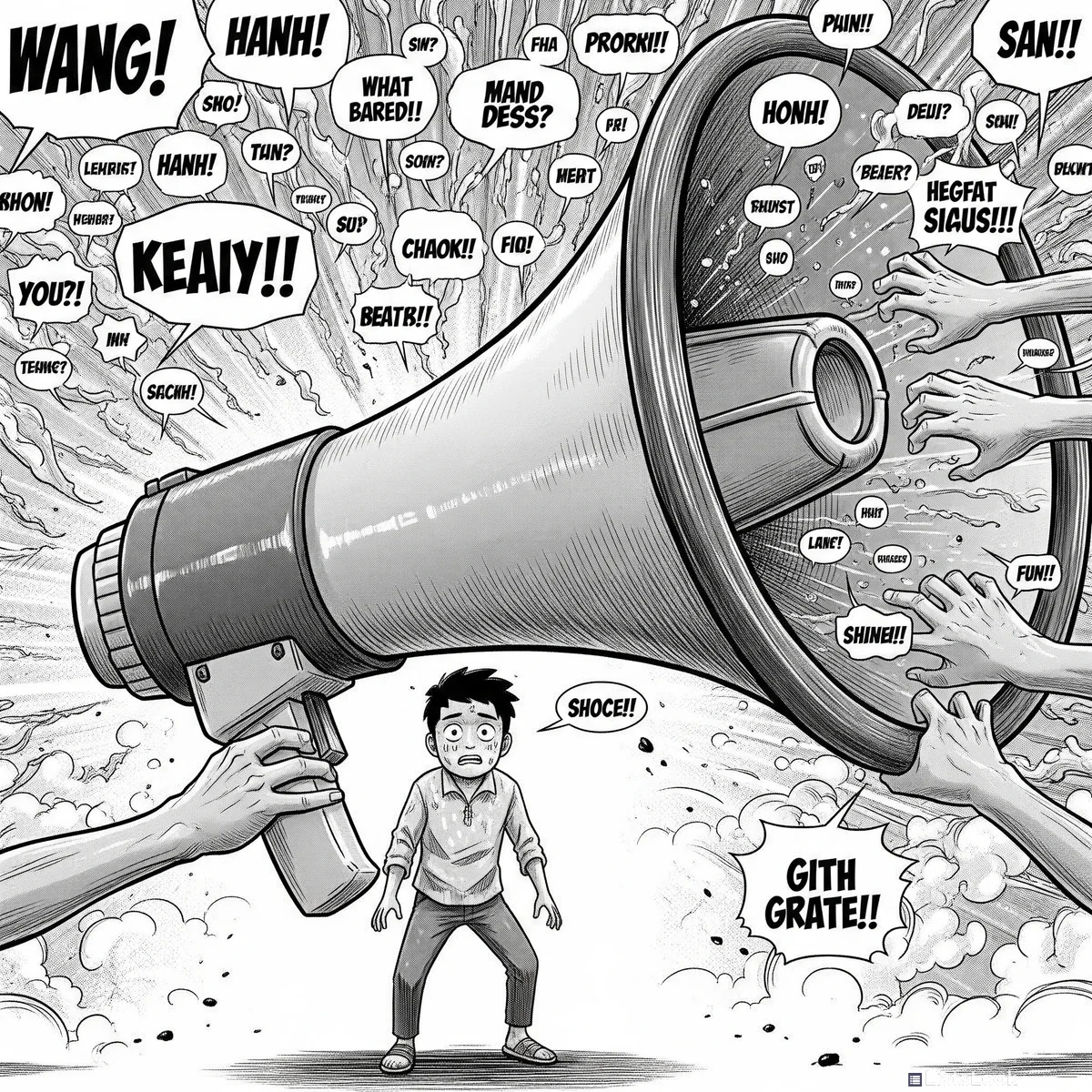
Toxic fans often believe creators owe them specific storylines or sequels.
They react with anger when their demands aren't met, ignoring the artist's creative freedom.
6. Prejudice in Fandom: Misogyny and Racism
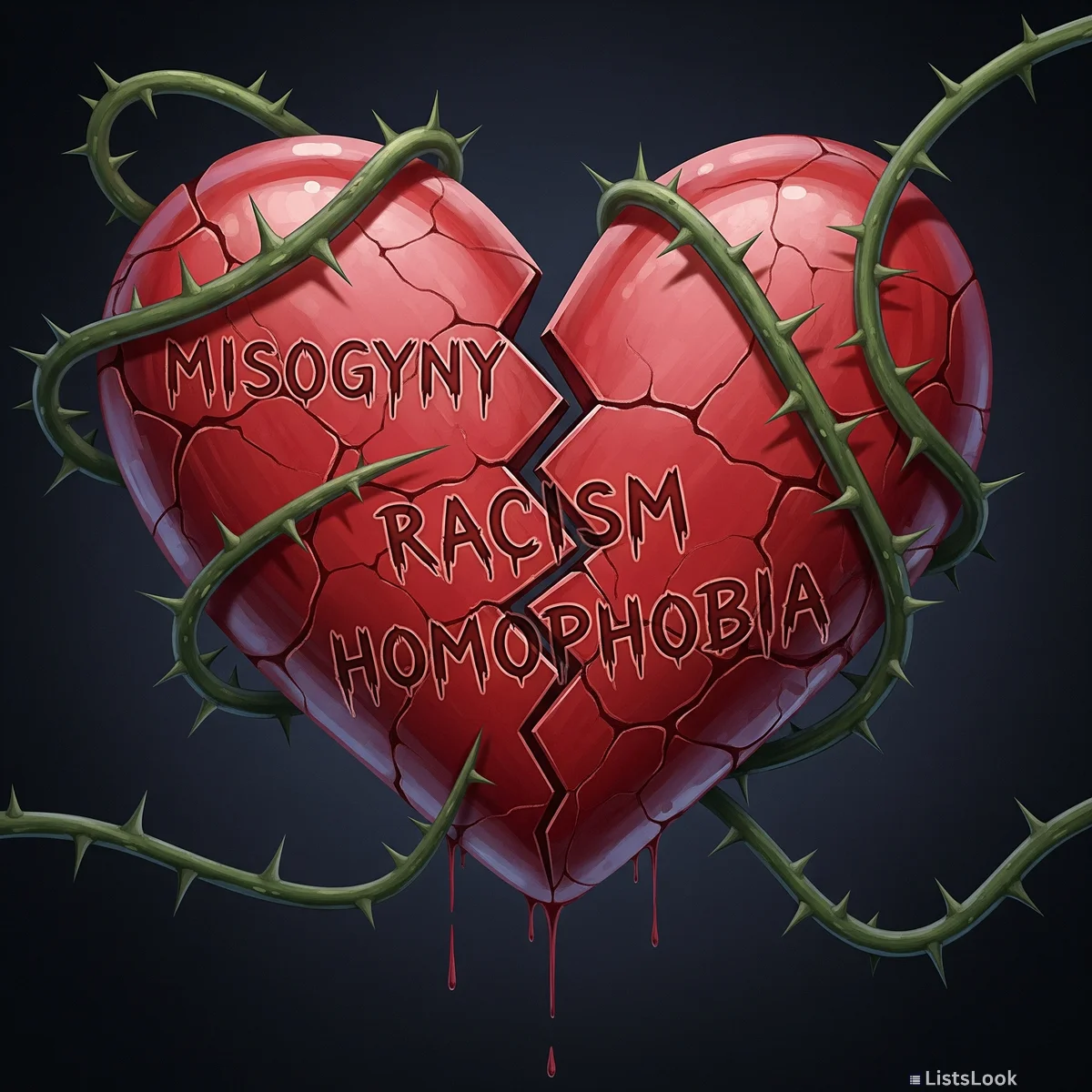
Toxic spaces can become breeding grounds for misogyny and racism disguised as fan critique.
These personal attacks use fandom as a shield to poison communities and target marginalized groups.
7. The Spoiler Spoiler: Ruining Major Reveals
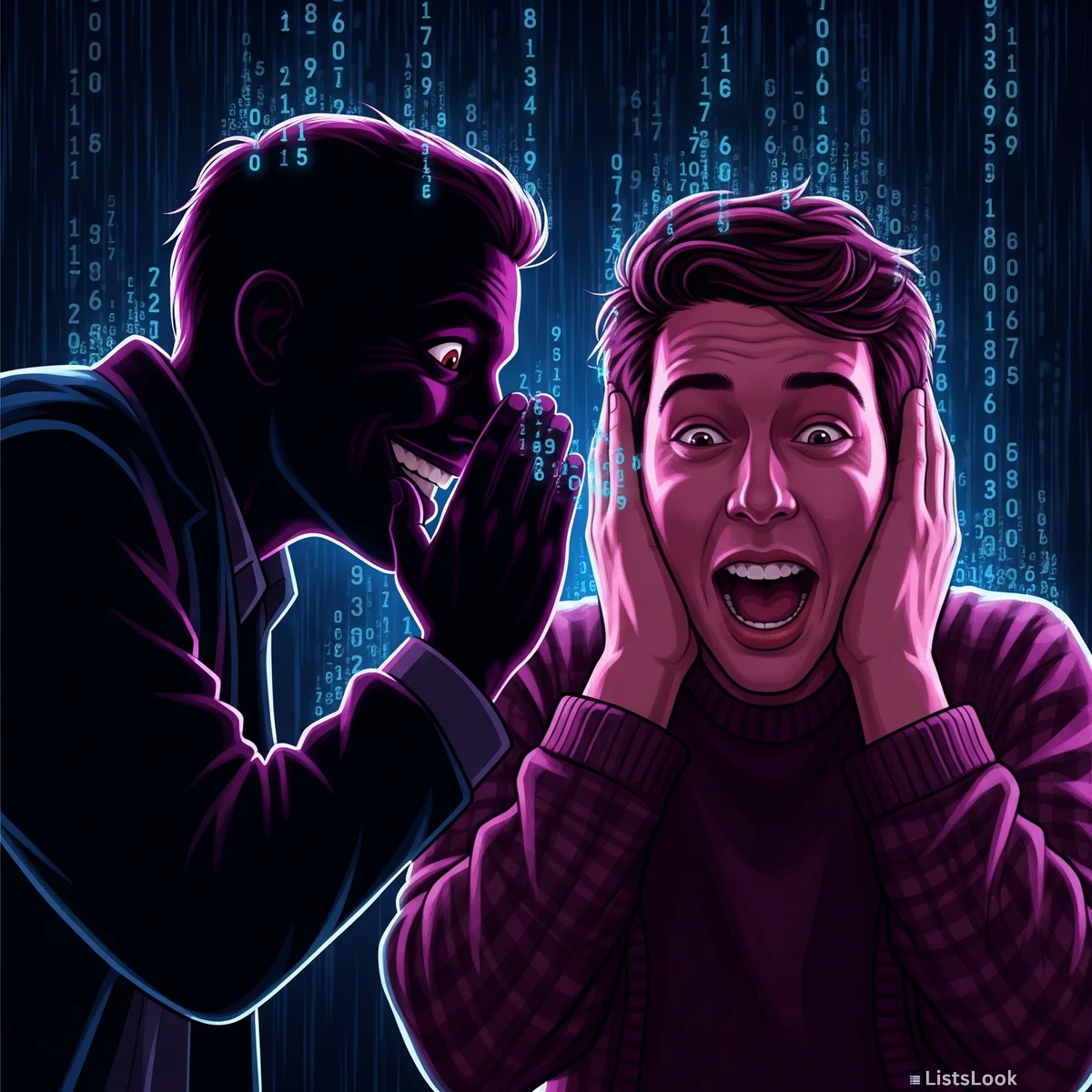
Some toxic fans intentionally spread spoilers to ruin major plot reveals for others.
This petty power play demonstrates a lack of respect for fellow community members.
8. The Cancel Culture Crew: Outrage Pile-Ons
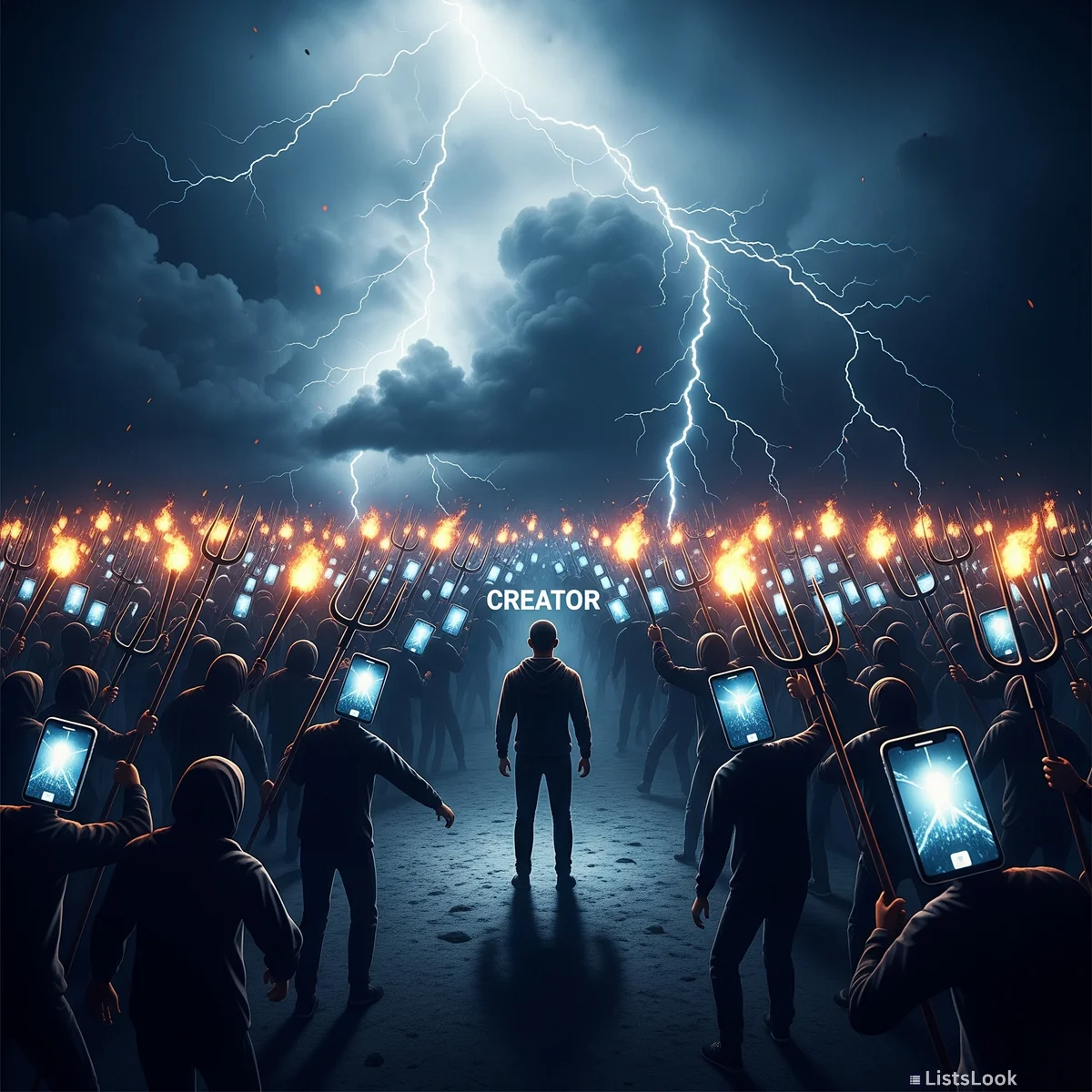
Minor missteps or decades-old comments are met with disproportionate, extreme pile-ons.
This cancel culture makes nuanced discussion impossible, creating a climate of fear.
Read about cancel culture on Wikipedia.
9. Stalking and Obsessive Privacy Invasion
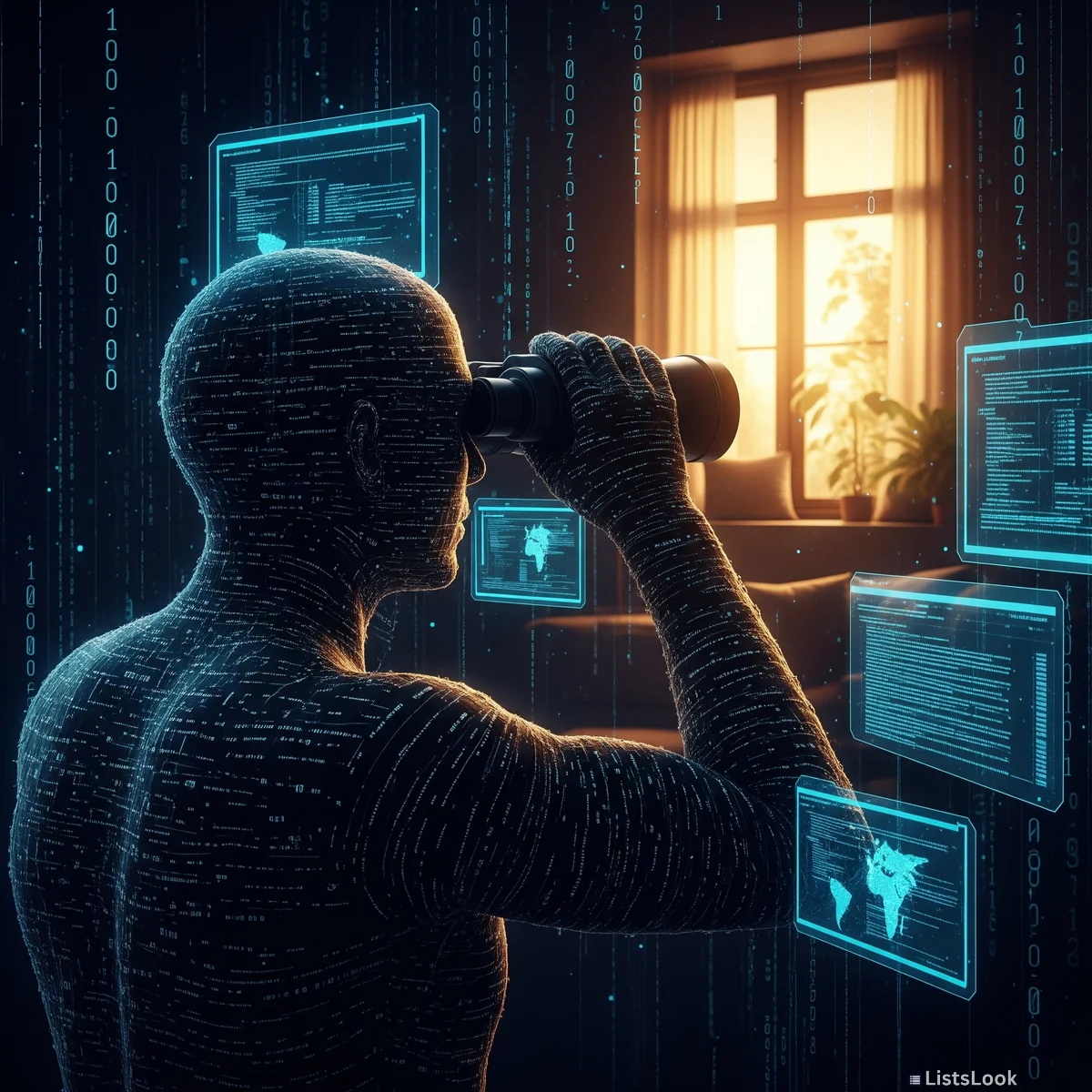
For some, fandom crosses the line into stalking creators online or at their homes.
This obsessive behavior turns a shared hobby into a source of genuine threat and danger.
10. The Fandom Fundamentalist: No Room for Debate

Fandom fundamentalists believe their interpretation is the only valid option.
They are completely intolerant of different perspectives, turning discussions into hostile arguments.