 ListsLook
Fashion Through Time: 7 Iconic Eras & Style Stories
Fashion Through Time: 7 Iconic Eras & Style Stories

Fashion is a mirror reflecting society, culture, and history.
Each era tells a unique story stitched into the seams of time.
Let's explore 7 iconic fashion eras. See how these fit into 2026's retro fashion comebacks.
1. Ancient Egypt (c. 3100 - 30 BCE): The Dawn of Elegance

Ancient Egyptian fashion, practical for the desert, was a symbol of status.
It featured simple white linen silhouettes and vibrant accessories derived from nature.
Both men and women embraced makeup and gold jewelry, establishing a timeless elegance.
2. Renaissance Italy (c. 1400-1600): Opulence and Artistry
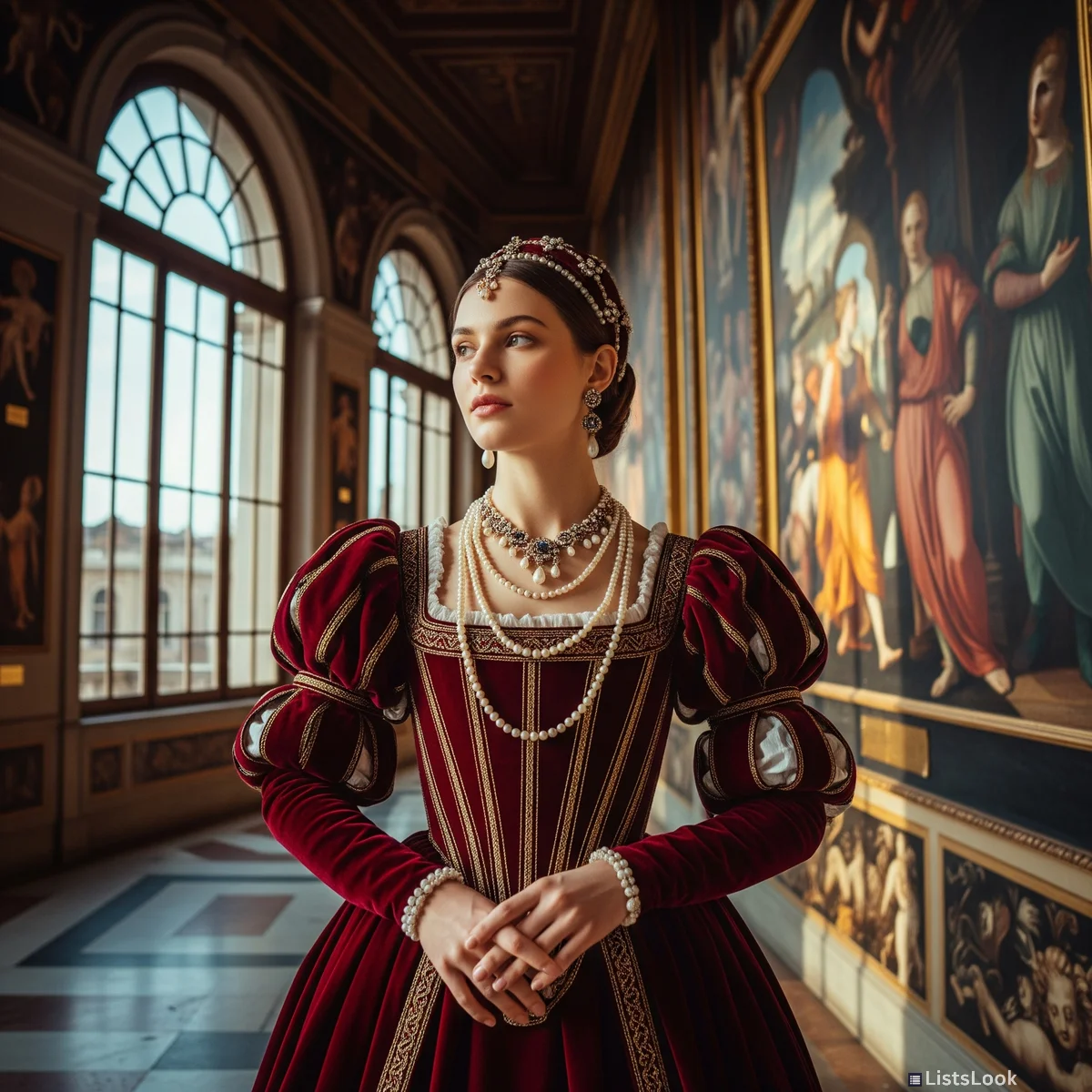
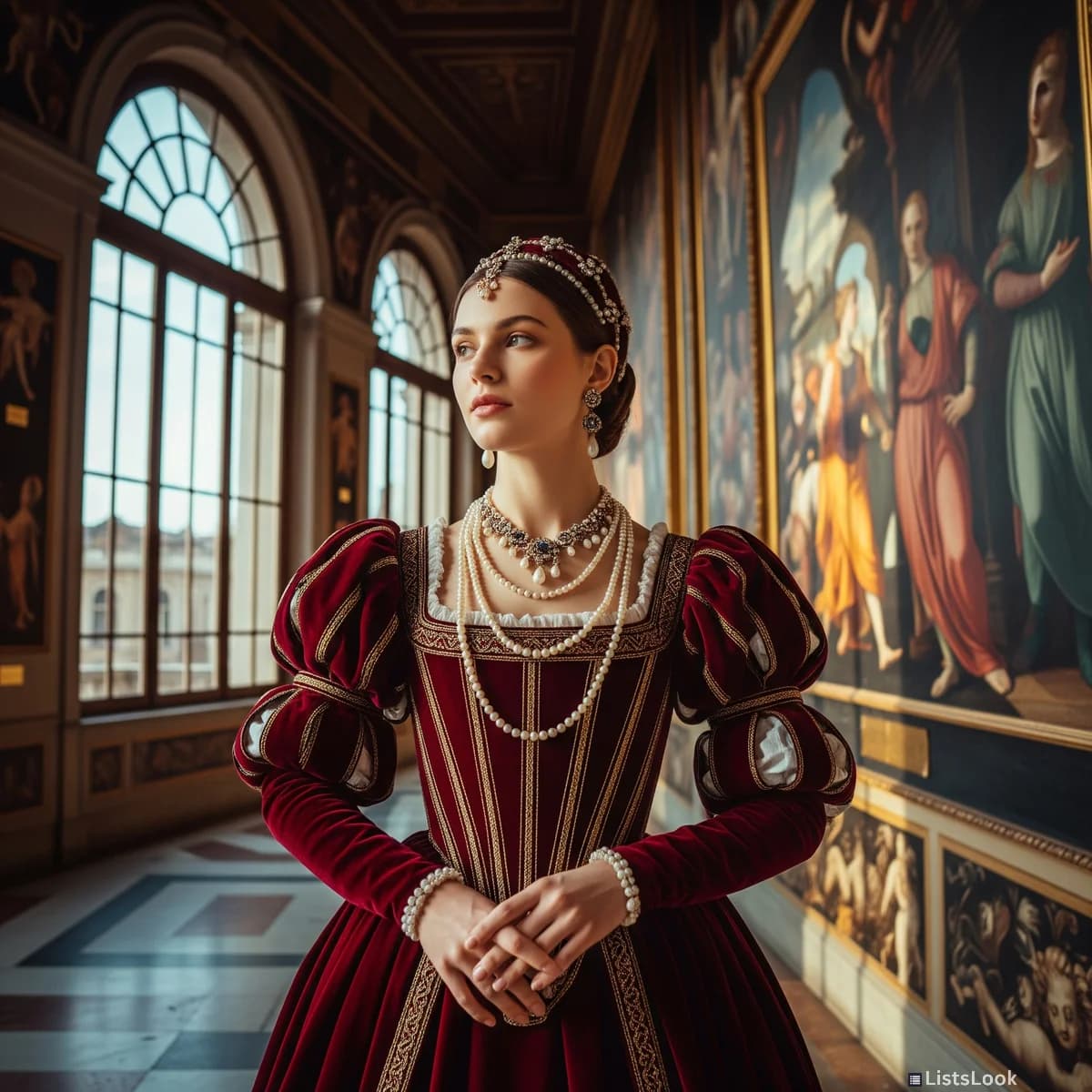
In Renaissance Italy, fashion became a glorious display of wealth and artistic craft.
Sumptuous velvets, rich brocades, and intricate embroidery defined the styling.
Corsets and voluminous gowns created dramatic silhouettes, performed as statements of power. Read about Renaissance fashion on Wikipedia.
3. The Baroque Era (c. 1600-1750): Drama and Lace

The Baroque era exploded onto the scene with highly theatrical design flair.
Exaggerated silhouettes reigned supreme with wide panniers and towering feather wigs.
Rich colors and lace were declarations of status, reflecting a love for grand drama. Details on Baroque clothing on Wikipedia.
4. The Victorian Era (c. 1837-1901): Restraint and Refinement

Victorian fashion presented a public image of modesty, decorum, and high necklines.
Beneath the surface of restraint lay complex layers, delicate lace, and bustles.
Mourning jewelry and specific fabrics held deep, symbolic meanings in everyday life. Read about Victorian fashion on Wikipedia.
5. The Roaring Twenties (1920s): Freedom and Flapper Glamour
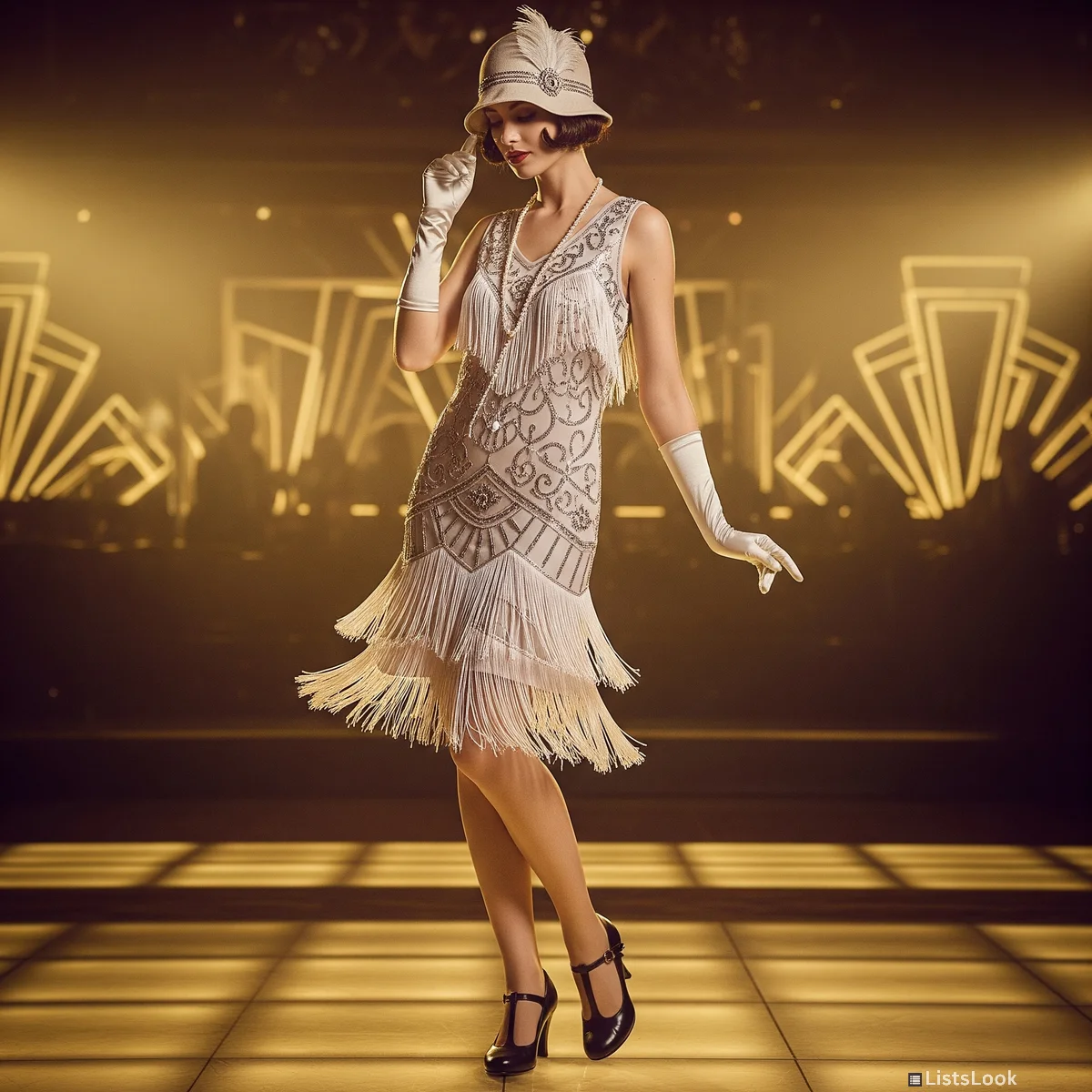
The 1920s brought liberation, casting aside corsets for loose silhouettes.
Hemlines rose and movement became key, epitomized by the iconic flapper dress.
Beaded dresses and bobbed hair reflected a youthful rebellion and jazz-age glamour. Read about flapper culture on Wikipedia.
6. The Fabulous 1950s: Dior's New Look and Optimism

Post-war hope blossomed in Dior’s ‘New Look’ featuring full skirts and cinched waists.
Polka dots, poodle skirts, and playful patterns became everyday staples.
Fashion celebrated a return to feminine curves, optimism, and polished elegance.
7. The Grunge 1990s: Anti-Fashion and Comfort

The 1990s rejected ostentation, embracing grunge anti-fashion and comfort.
Oversized flannels, ripped jeans, and combat boots brought a raw, undone aesthetic.
It was a decade celebrating individuality, simple lines, and authenticity.