 ListsLook
8 Edible Flowers to Transform Your Plate
Beyond Beautiful: Welcome to the World of Edible Flowers
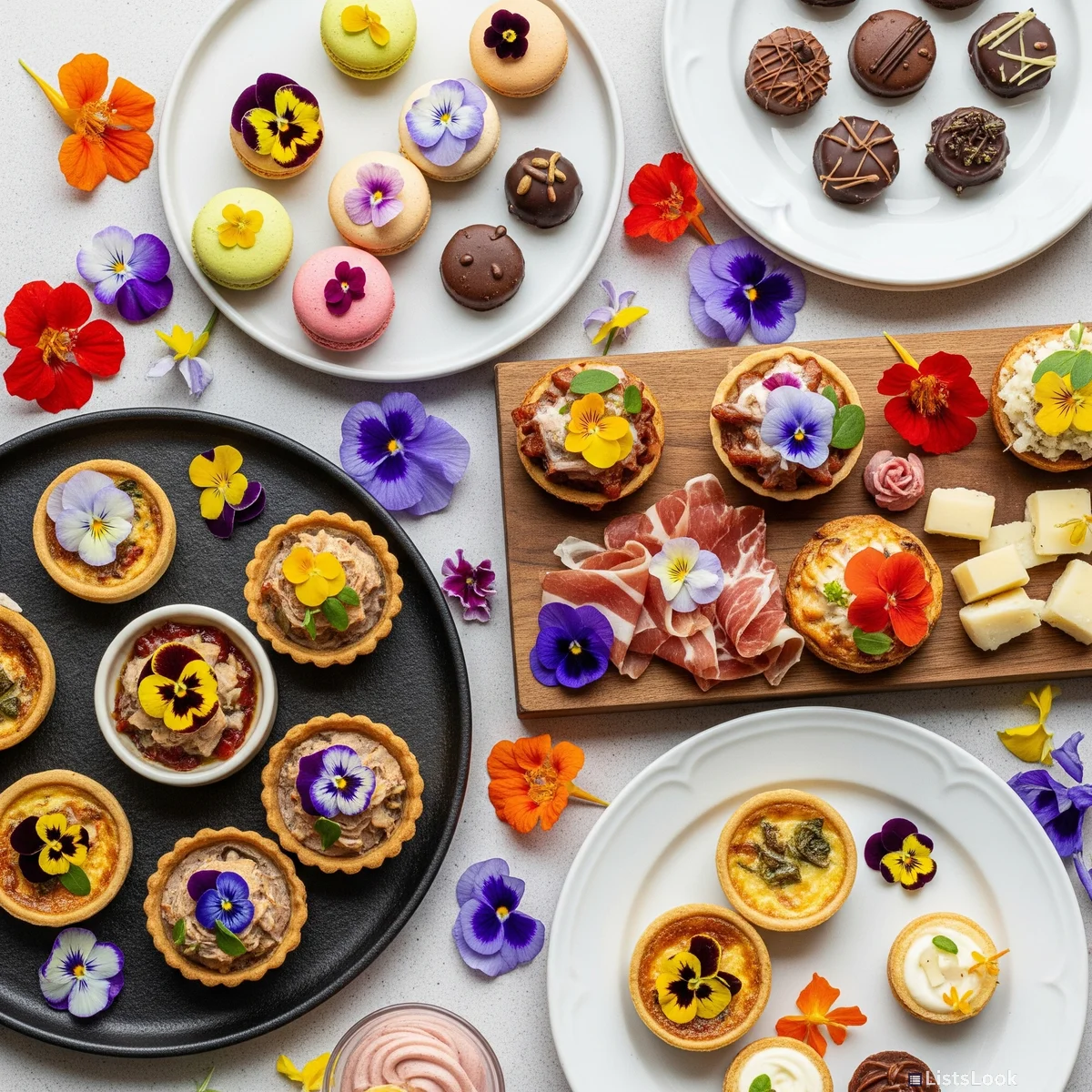
Cultures worldwide have long incorporated flowers into their cuisine for visual appeal and flavor.
From peppery spice to delicate sweetness, edible flowers add magic to ordinary plates.
Historically, they have been used in Roman banquets and traditional Chinese medicine to enhance health and presentation.
Combine this floral gastronomy with gut-friendly recipes for a healthy and vibrant lifestyle.
Nasturtiums: The Peppery Punch
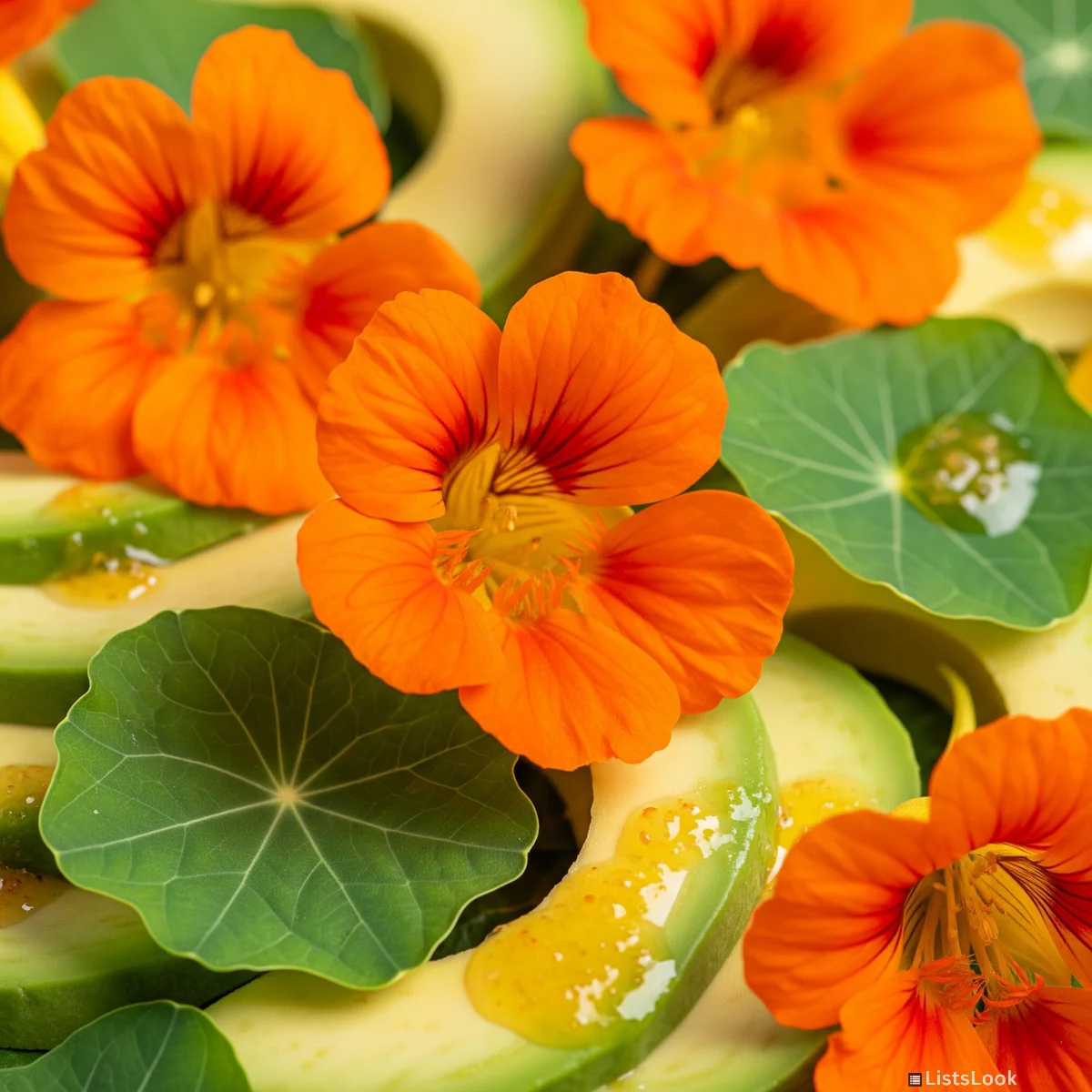
Nasturtiums are easy to grow and boast a vibrant, peppery flavor that resembles watercress.
Both flowers and leaves are edible, adding a beautiful kick to fresh cheese platters and summer salads.
Their sharp taste cuts through rich ingredients, providing an organic and peppery accent.
Learn more about Nasturtium on Wikipedia.
Pansies & Violas: Sweet and Versatile
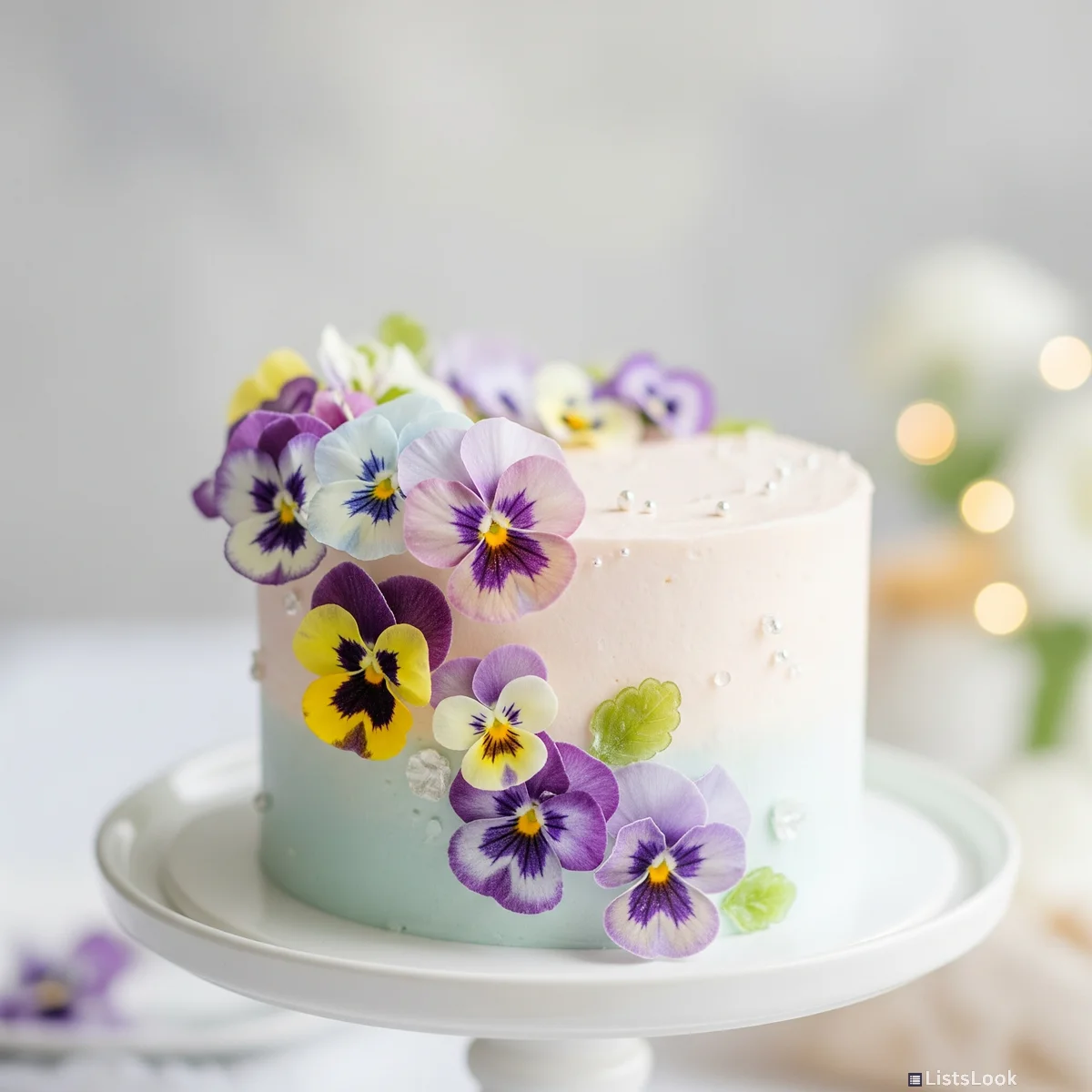
These cheerful, multi-colored blooms offer a very mild, slightly sweet, and grassy flavor.
Pansies and violas are perfect for decorating frosted cakes, cookies, or fresh summer salads.
Add them late to your dishes to preserve their delicate colors and shape.
They can also be candied or frozen in ice cubes for a stunning cocktail presentation.
Rose: A Classic Floral Flavor
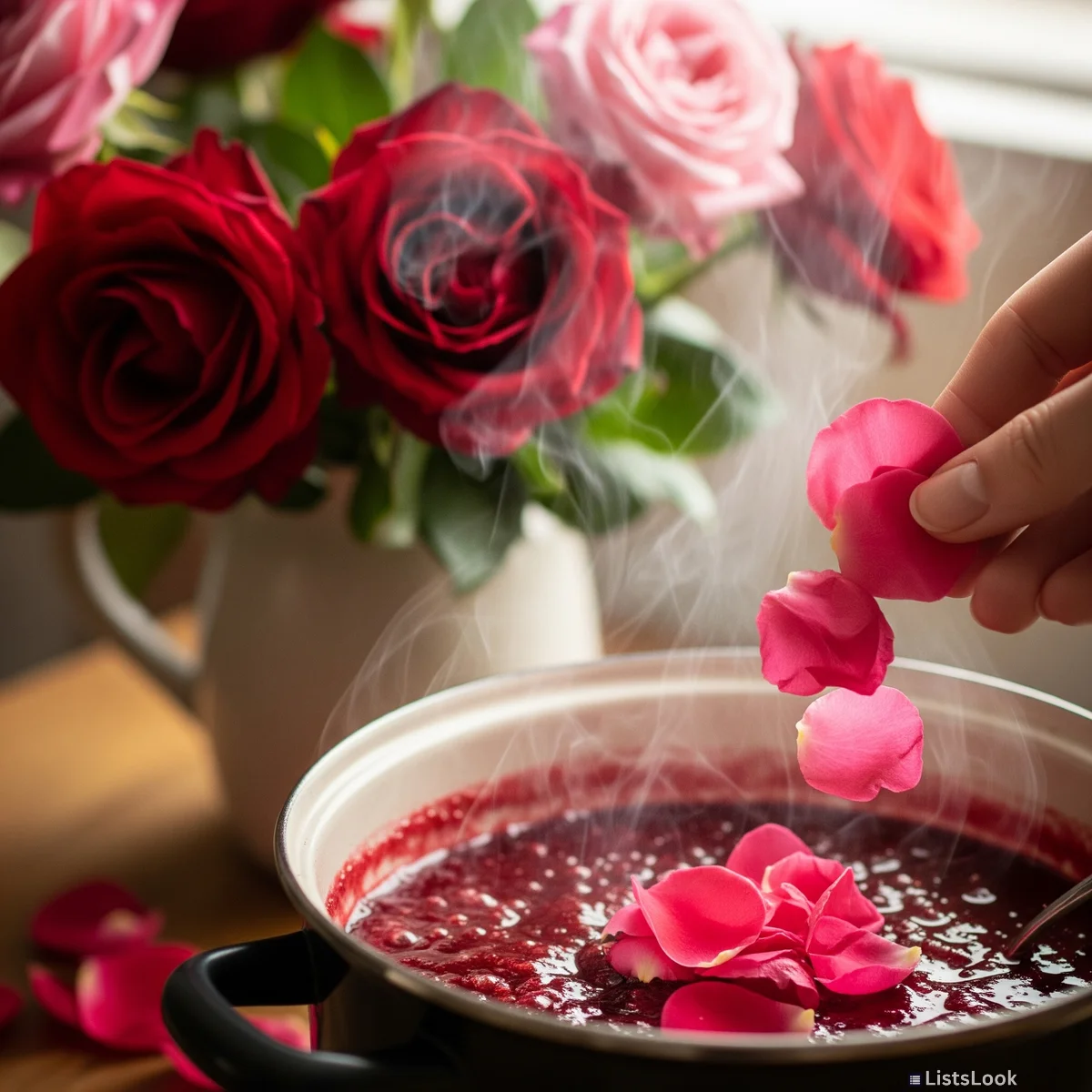
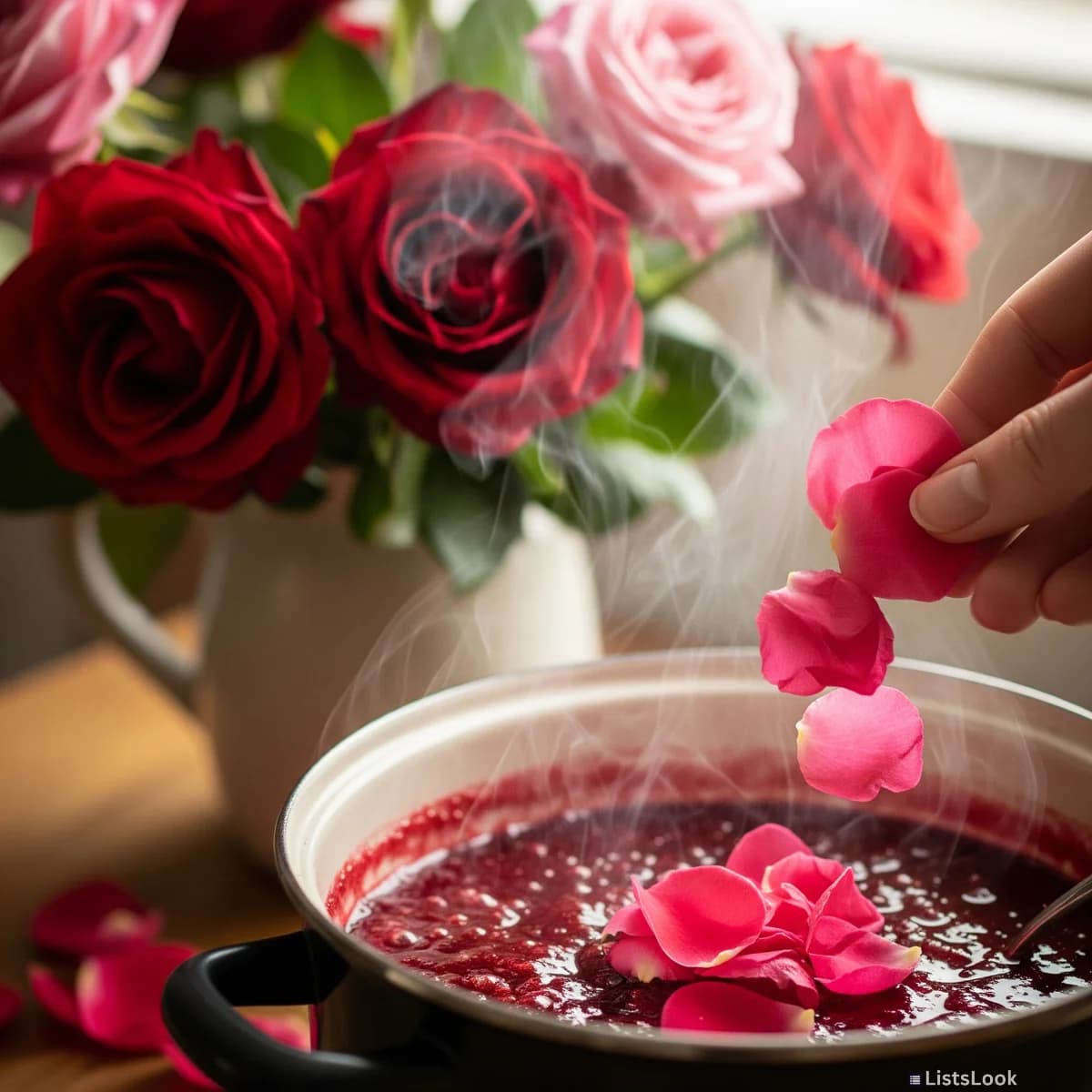
Rose petals offer a highly delicate, aromatic flavor that ranges from sweet to slightly tart.
Commonly used in Indian and Middle Eastern cooking, organic petals complement chocolate desserts beautifully.
Ensure you discard the white, bitter base of each petal before cooking to maintain a sweet taste.
Read about the culinary history of the Rose on Wikipedia.
Lavender: Aromatic and Calming
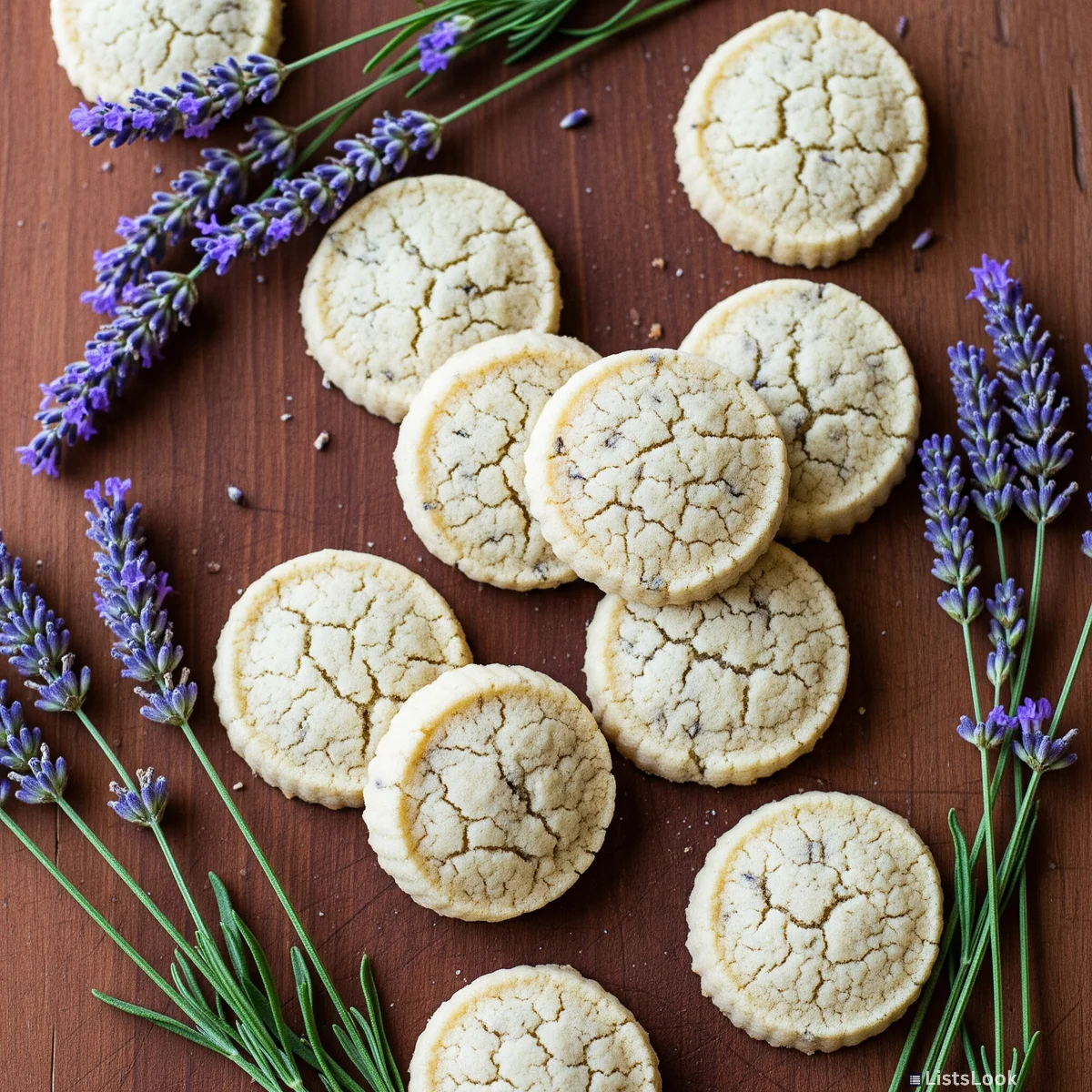
Culinary lavender adds a sweet, highly floral note to shortbread, scones, and refreshing lemonades.
Use it sparingly, as the intense, concentrated fragrance can easily overpower a dish and make it taste soapy.
It pairs wonderfully with citrus fruits, vanilla, and dark chocolate.
Pair this with a relaxing mocktail recipe for a perfect evening treat.
Squash Blossoms: Delicate and Savory
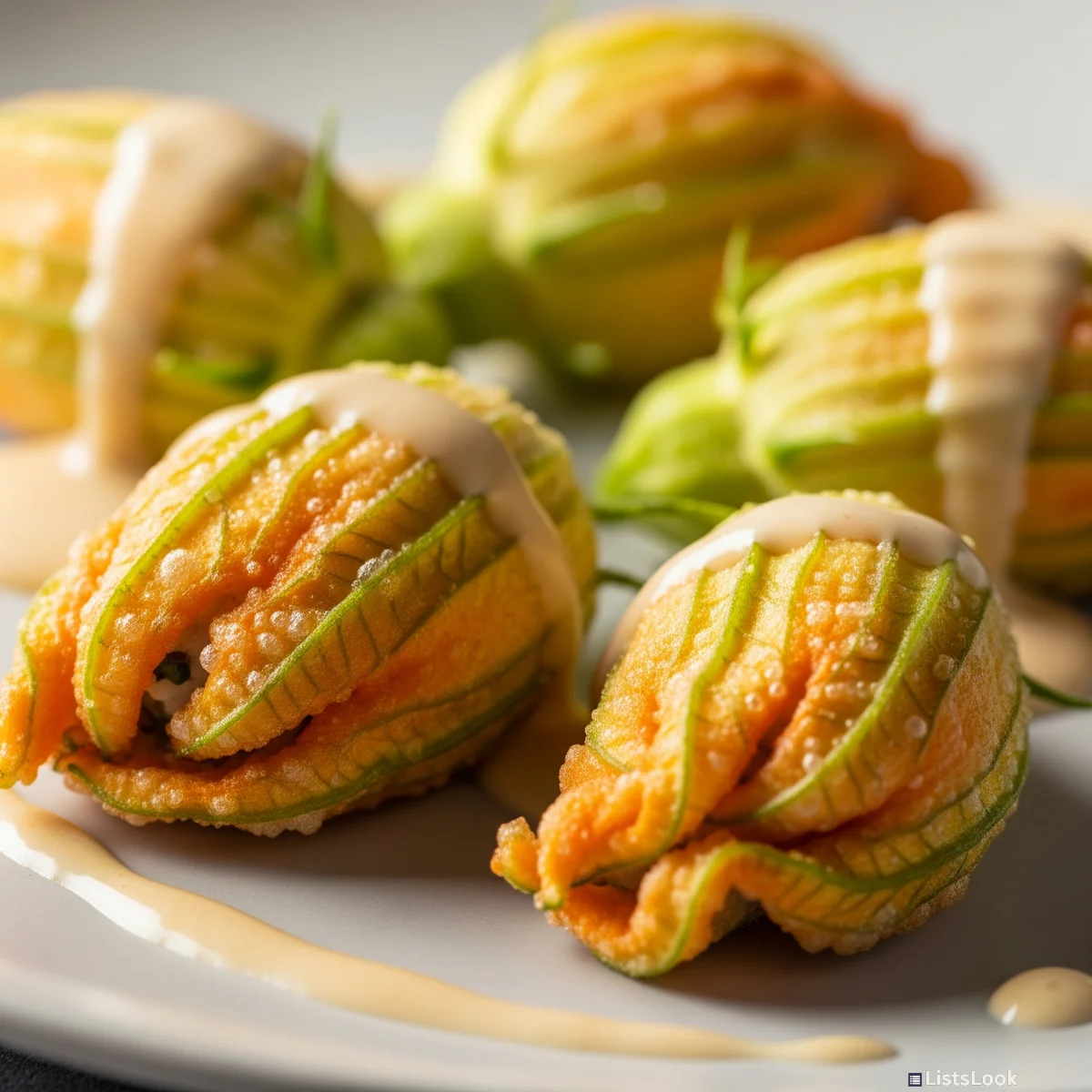
Vibrant and trumpet-shaped, squash blossoms have a mild, sweet squash-like flavor.
They are delicious when stuffed with fresh ricotta cheese and lightly pan-fried in olive oil.
This Italian delicacy is highly seasonal, appearing in late summer gardens and local farmers' markets.
Handle these delicate blooms with care as they bruise very easily before preparation.
Calendula: A Colorful and Mildly Spicy Addition
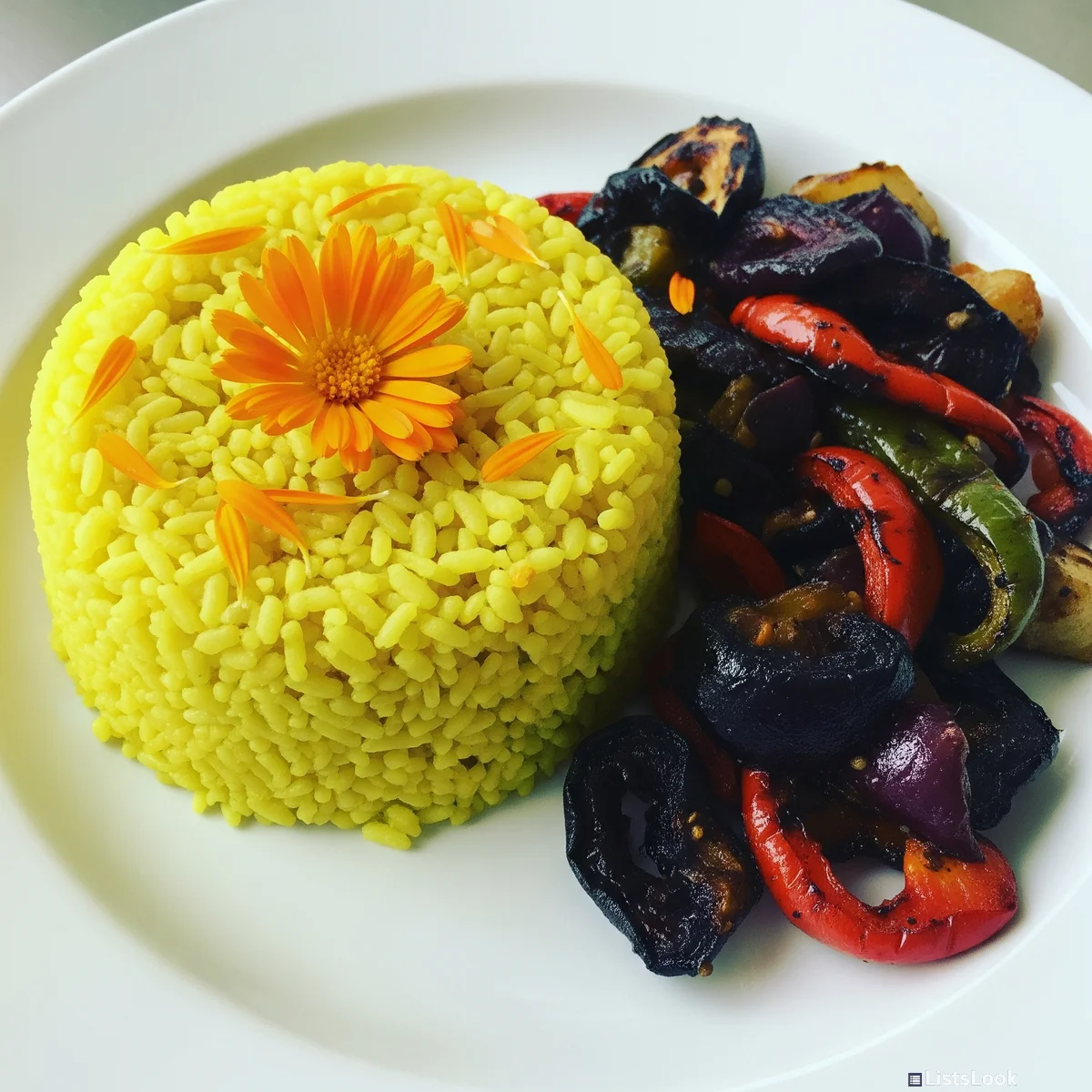
Often called poor man's saffron, calendula petals offer a distinct peppery, tangy flavor.
They add a beautiful golden-yellow hue to rice dishes, broths, and summer soups.
They are also widely used in traditional herbal medicine for their anti-inflammatory properties.
For details on actual high-value spices, see our guide on the most expensive spices (Note: kept original slug format).
Hibiscus: Tart and Refreshing
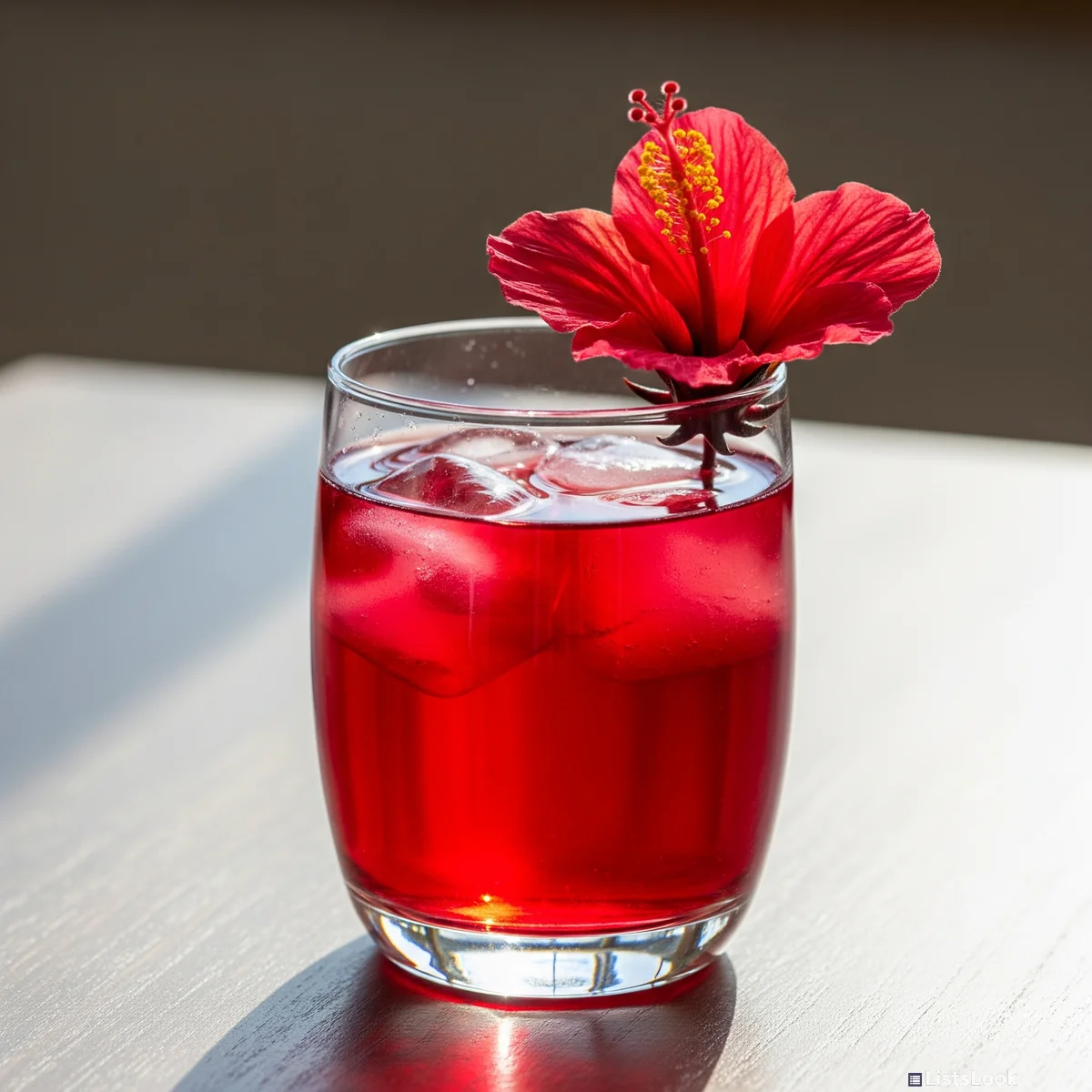
Hibiscus flowers boast a tart, cranberry-like flavor that is perfect for syrups, cordials, and herbal teas.
They are highly versatile in culinary applications and act as a beautiful natural red food coloring.
They are rich in antioxidants and help support healthy blood pressure levels.
Read about the cultivation of Hibiscus on Wikipedia.