 ListsLook
Would You Drive On France’s Road that Disappears Twice a Day?
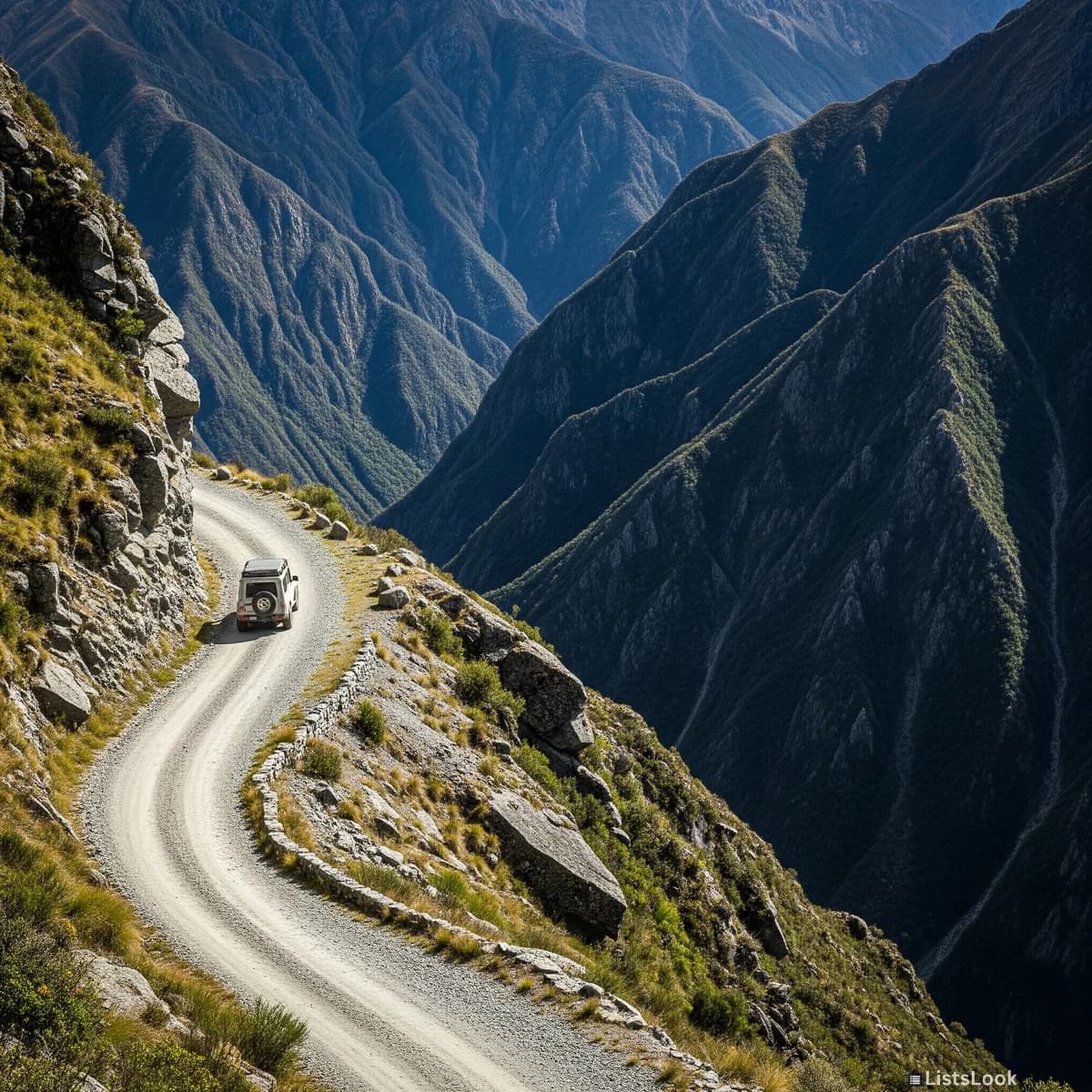
Brace Yourself for the World's Deadliest Roads
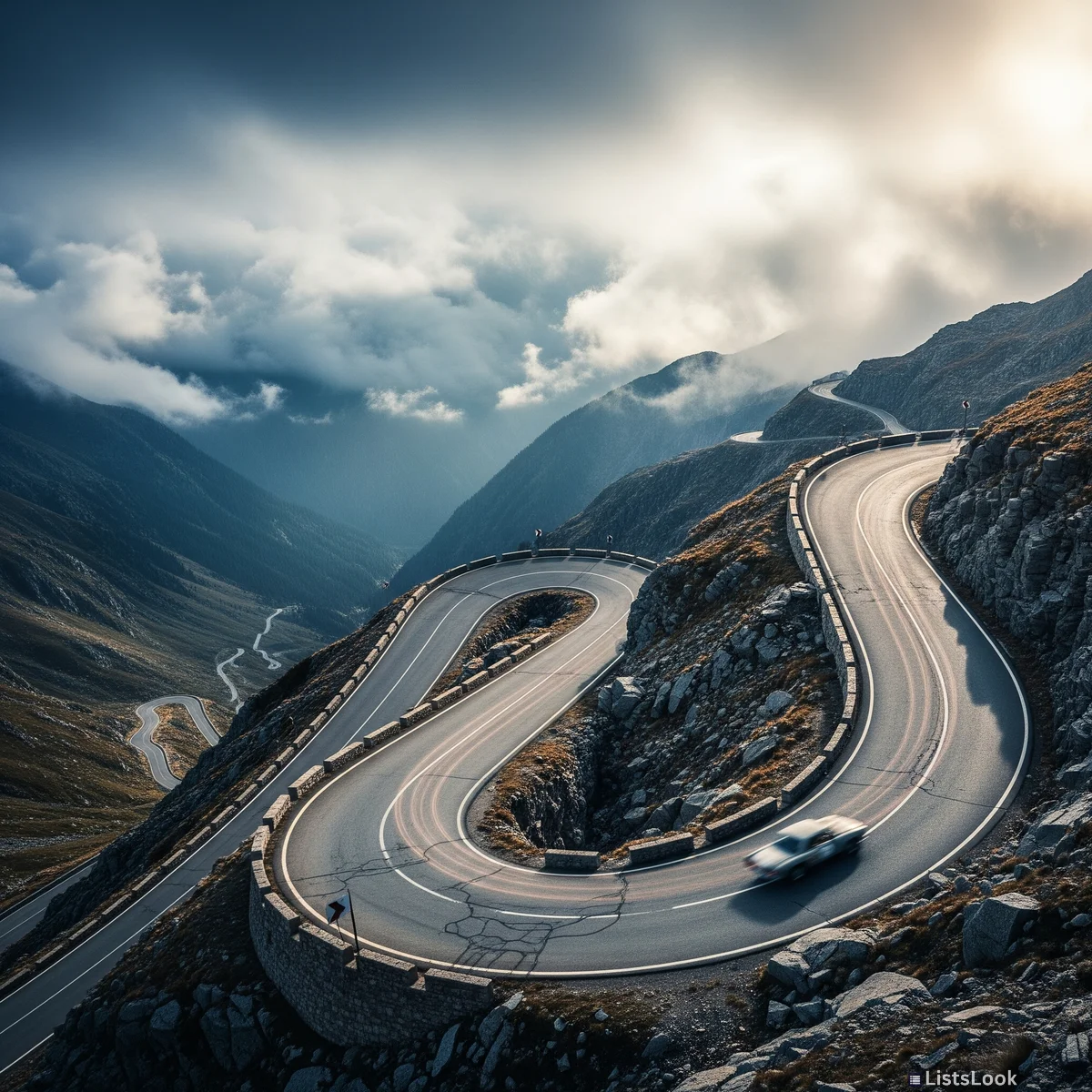
Imagine driving along a paved coastal road, only for the tide to suddenly rise and swallow it whole.
France's Passage du Gois does exactly this twice daily, leaving unprepared drivers stranded in deep water.
While this tidal crossing is incredibly hazardous, it is just one of many treacherous paths worldwide. From cliffside mountain passes to remote ice highways, here are 10 of the most dangerous roads on the planet.
Before setting out on any adventure, check out some of the world's budget destinations for travel planning.
1. Yungas Road (Bolivia): The Legendary 'Death Road'

Bolivia's North Yungas Road is famous for its 2,000-foot sheer drops and lack of guardrails.
Heavy fog, rain, and mudslides make this narrow dirt track incredibly perilous.
Today, it is a hotspot for thrill-seeking mountain bikers who want to challenge its deadly legacy. According to Wikipedia, it once claimed hundreds of lives each year.
2. Dalton Highway (Alaska): The Coldest Road in North America

The Dalton Highway stretches 414 miles through remote Alaskan wilderness.
Drivers face extreme isolation, freezing temperatures, and heavy gravel kicked up by massive trucks.
With only three remote villages along the way, any mechanical breakdown can quickly become a life-threatening emergency.
3. Zoji La Pass (India): A Muddy Trail at 11,575 Feet
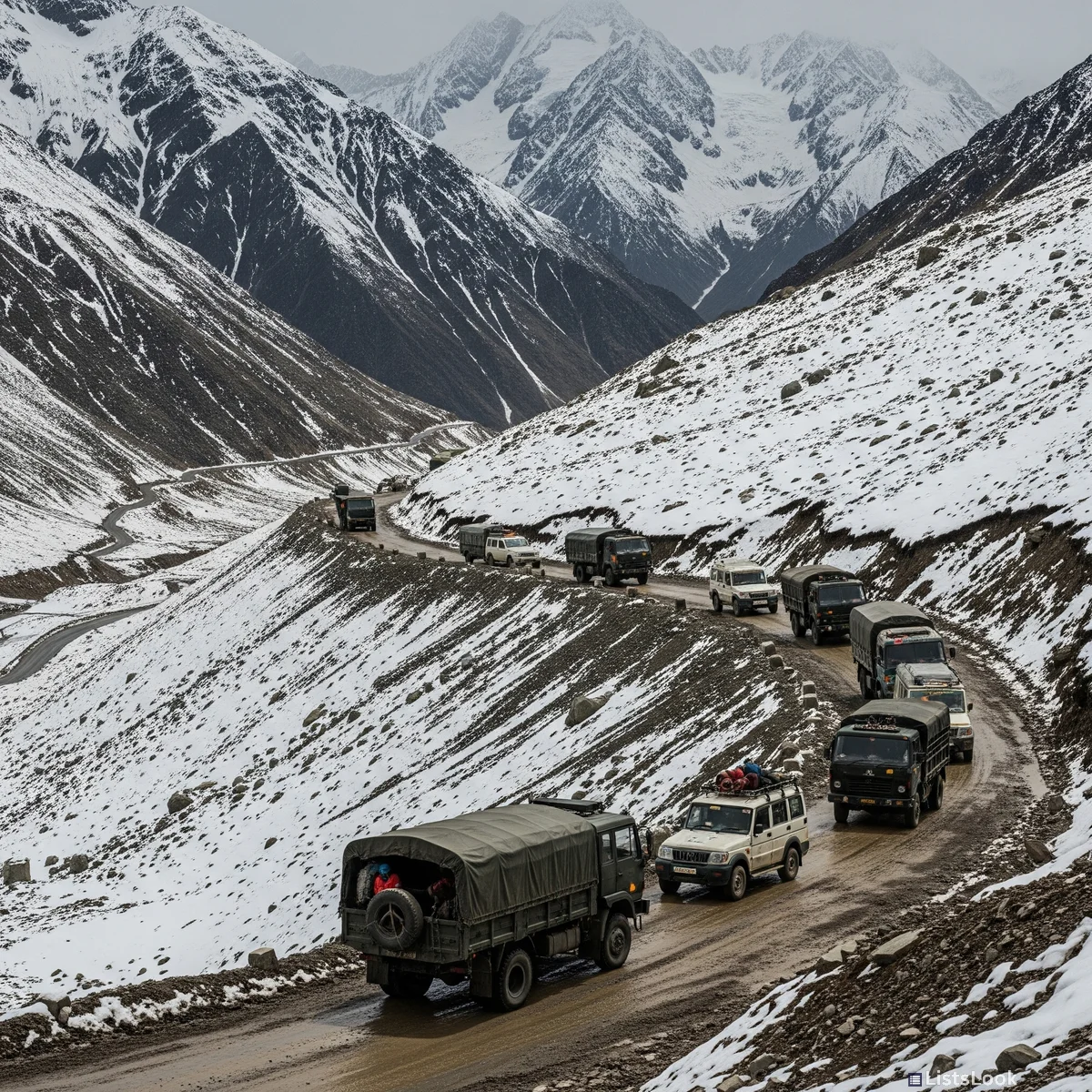
Located in the Western Himalayas, Zoji La Pass is a narrow dirt track with no barriers.
Frequent landslides, heavy snow, and strong winds make crossing this pass a terrifying ordeal.
Despite the danger, it remains a vital lifeline connecting Ladakh to the rest of India.
4. Karakoram Highway (Pakistan to China): The Friendship Highway

Connecting Pakistan and China, the Karakoram Highway is the highest paved international road in the world.
Travelers must contend with altitude sickness, rockfalls, and sudden avalanches.
This engineering marvel climbs to over 15,000 feet, tracing a branch of the ancient Silk Road.
5. Guoliang Tunnel Road (China): Carved by Hand

In the Taihang Mountains, local villagers spent five years carving the Guoliang Tunnel using only hammers and chisels.
This cliffside passage features thirty stone windows looking out over a vertical drop.
It is as beautiful as it is nerve-wracking, demanding absolute concentration from drivers.
6. Trans-Siberian Highway (Russia): The Wilderness Crossing
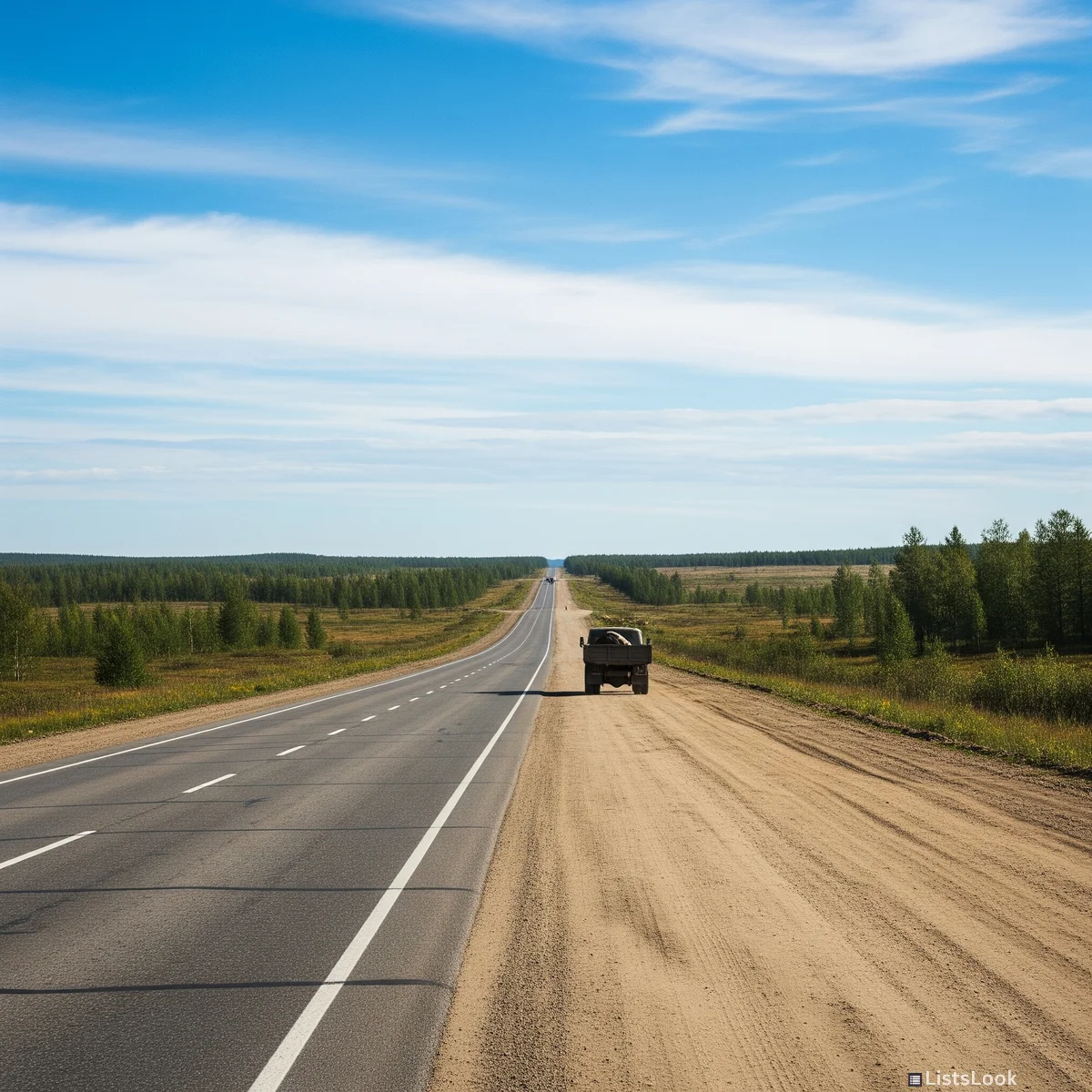
Spanning over 6,800 miles from St. Petersburg to Vladivostok, this route crosses vast forests and swamps.
Large stretches turn into thick mud during the spring melt, trapping vehicles for days.
It represents one of the most challenging long-distance drives on earth.
7. Skippers Canyon Road (New Zealand): No Rental Cars Allowed
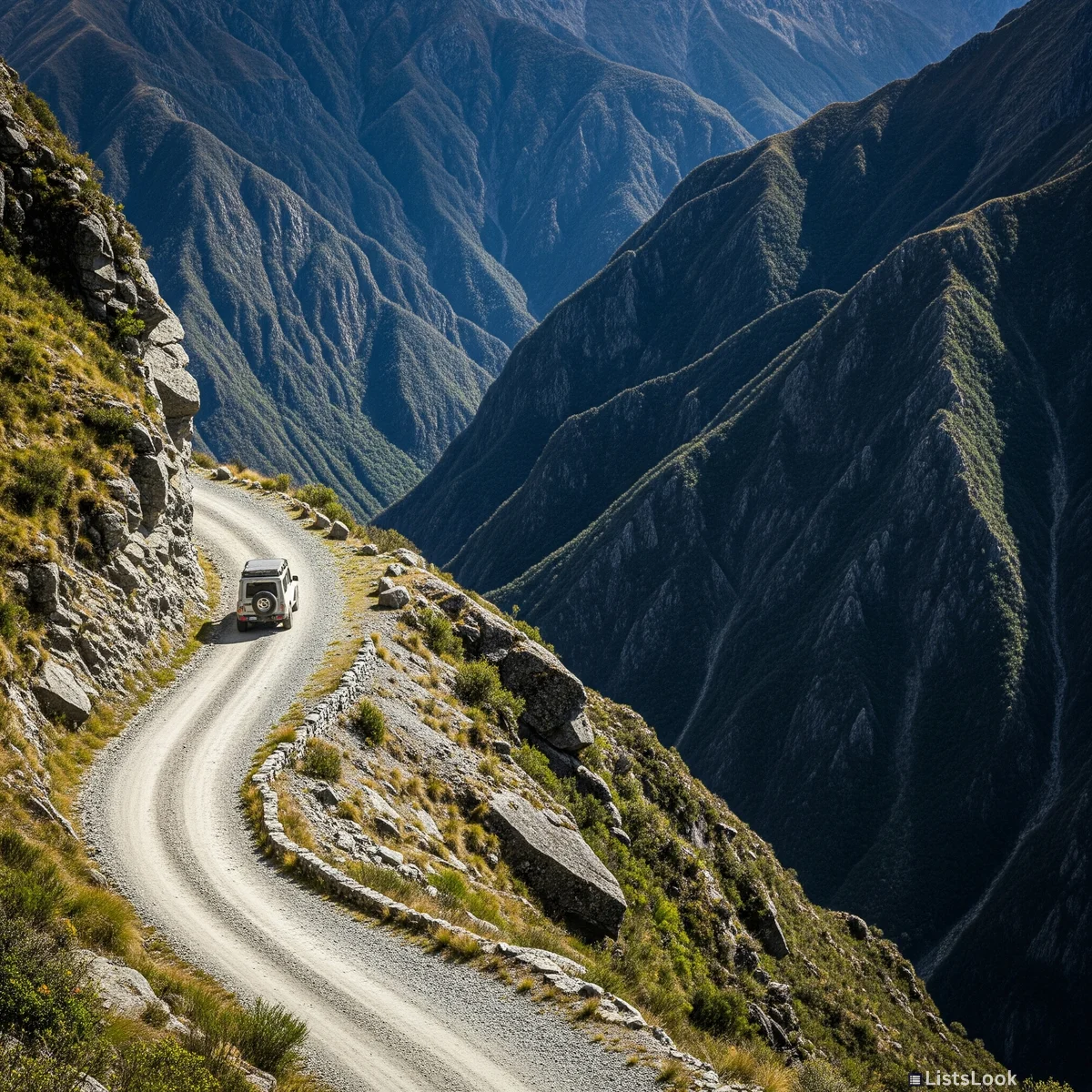
Carved into a cliff face in the 1890s, Skippers Canyon Road is so narrow that passing another vehicle is nearly impossible.
Rental car companies explicitly forbid driving on this road due to its high accident risk.
Today, it is primarily used by tour operators offering historical trips of the gold-rush territory.
8. Fairy Meadows Road (Pakistan): A Cliffside Track

This high-mountain gravel road is unstable, narrow, and has absolutely no guardrails.
Only experienced local drivers in 4WD jeeps are allowed to navigate its steep, crumbling turns.
The reward at the end is a stunning view of Nanga Parbat, the world's ninth-highest mountain.
9. Commonwealth Avenue (Philippines): The 'Killer Highway'
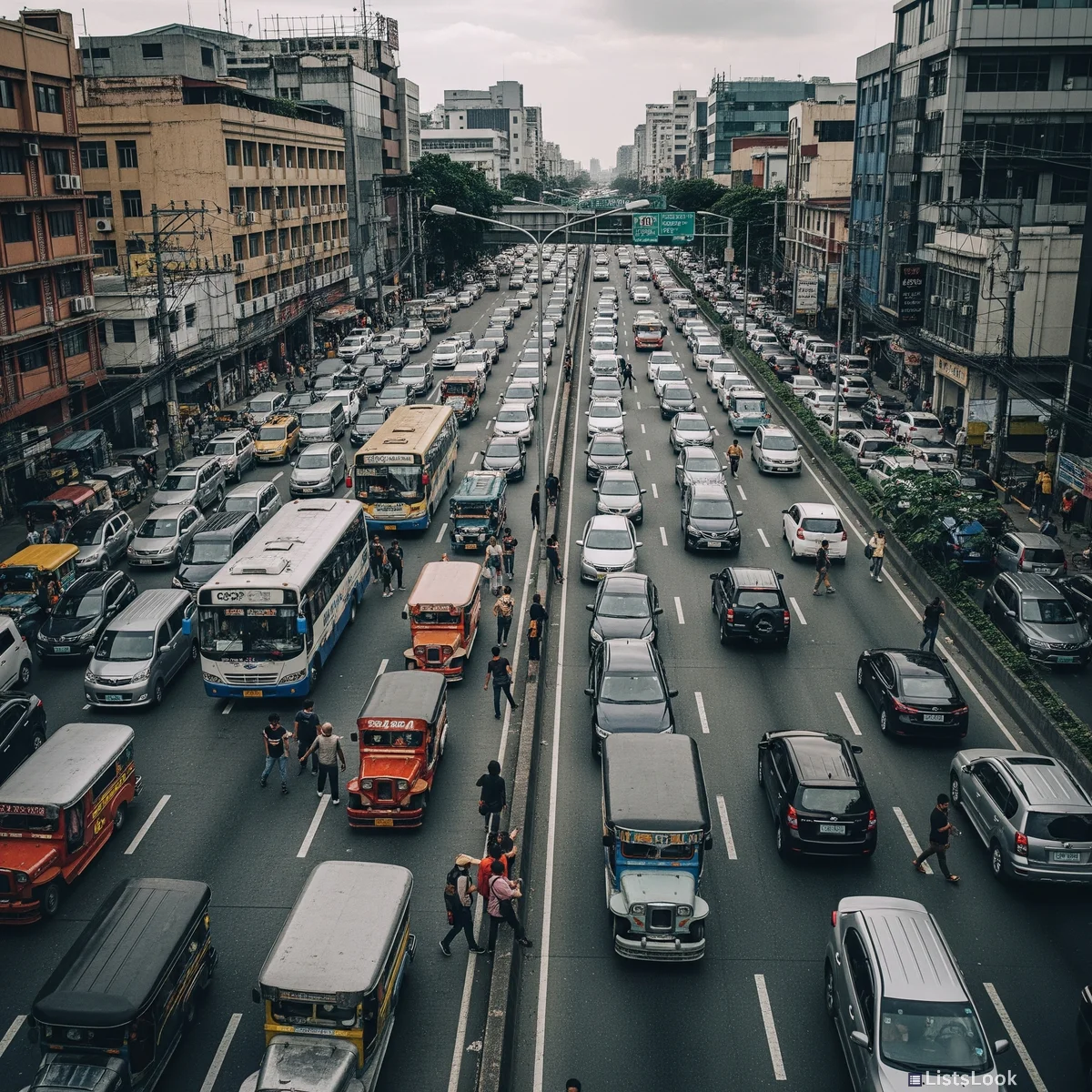
Unlike remote mountain passes, this is an 18-lane urban highway in Quezon City.
It is notorious for reckless public transit drivers, erratic pedestrians, and poor lane enforcement.
Lack of regulation makes it one of the most chaotic and accident-prone urban roads in Southeast Asia.
10. Passage du Gois (France): The Disappearing Causeway
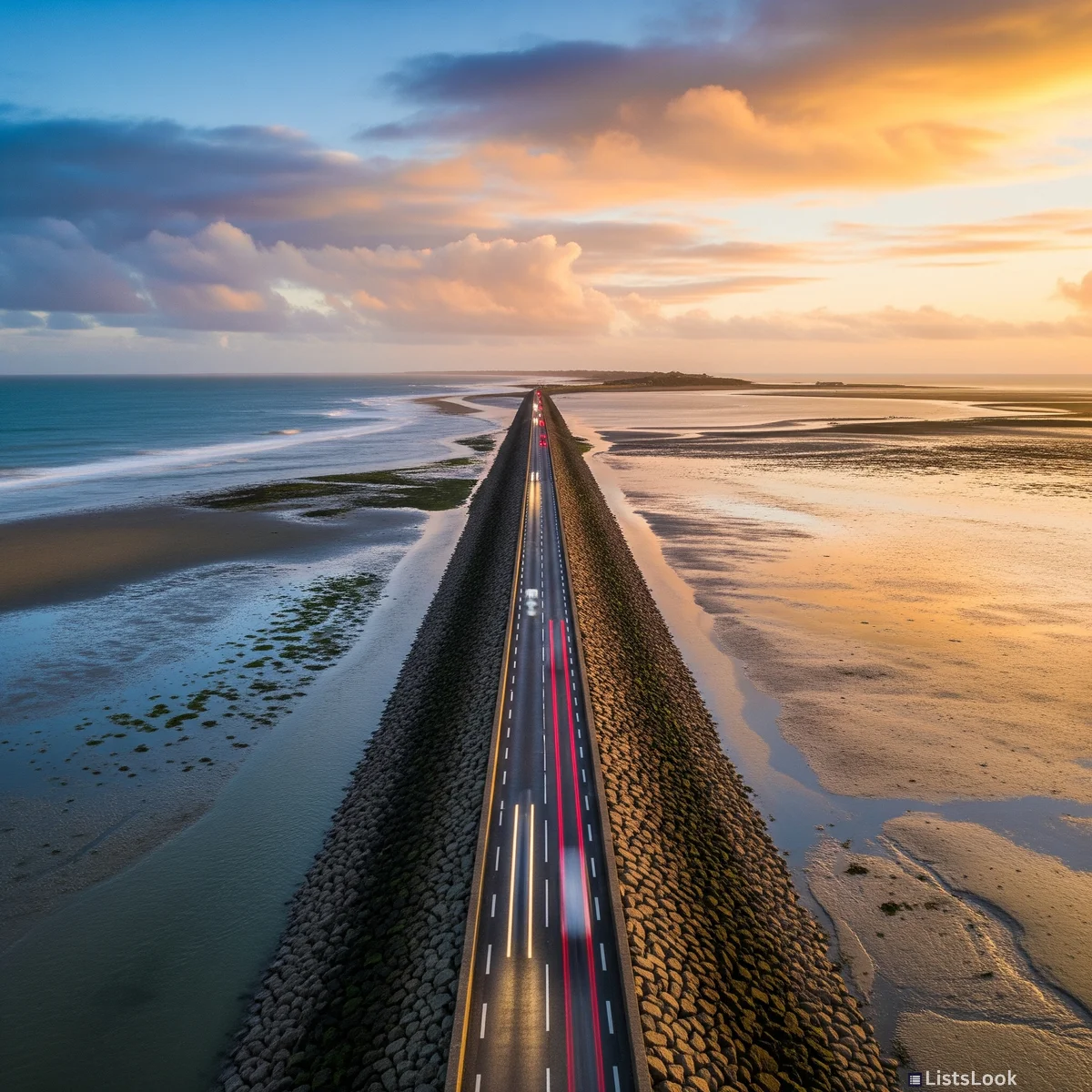
Connecting the island of Noirmoutier to mainland France, the Passage du Gois is a paved tidal road.
Twice a day, the high tide submerges the road under up to 13 feet of water.
Drivers who misjudge the tides must abandon their sinking vehicles and climb rescue towers. Learn more about tidal road infrastructure and safety.