 ListsLook
The Sweet Trap in Flavored Yogurt: Health Myth or Dessert in Disguise?
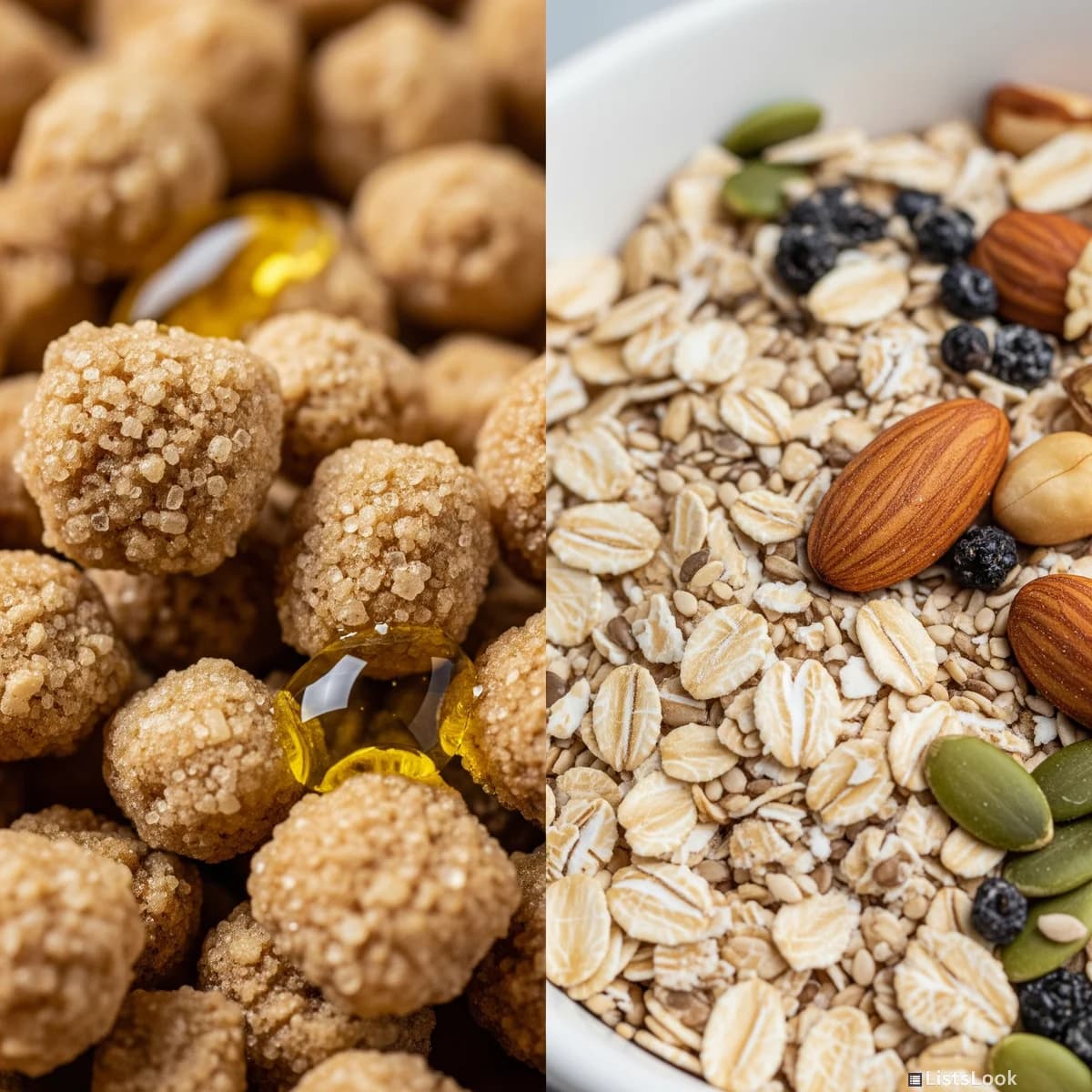
Welcome to the Healthy Food Hall of Illusions
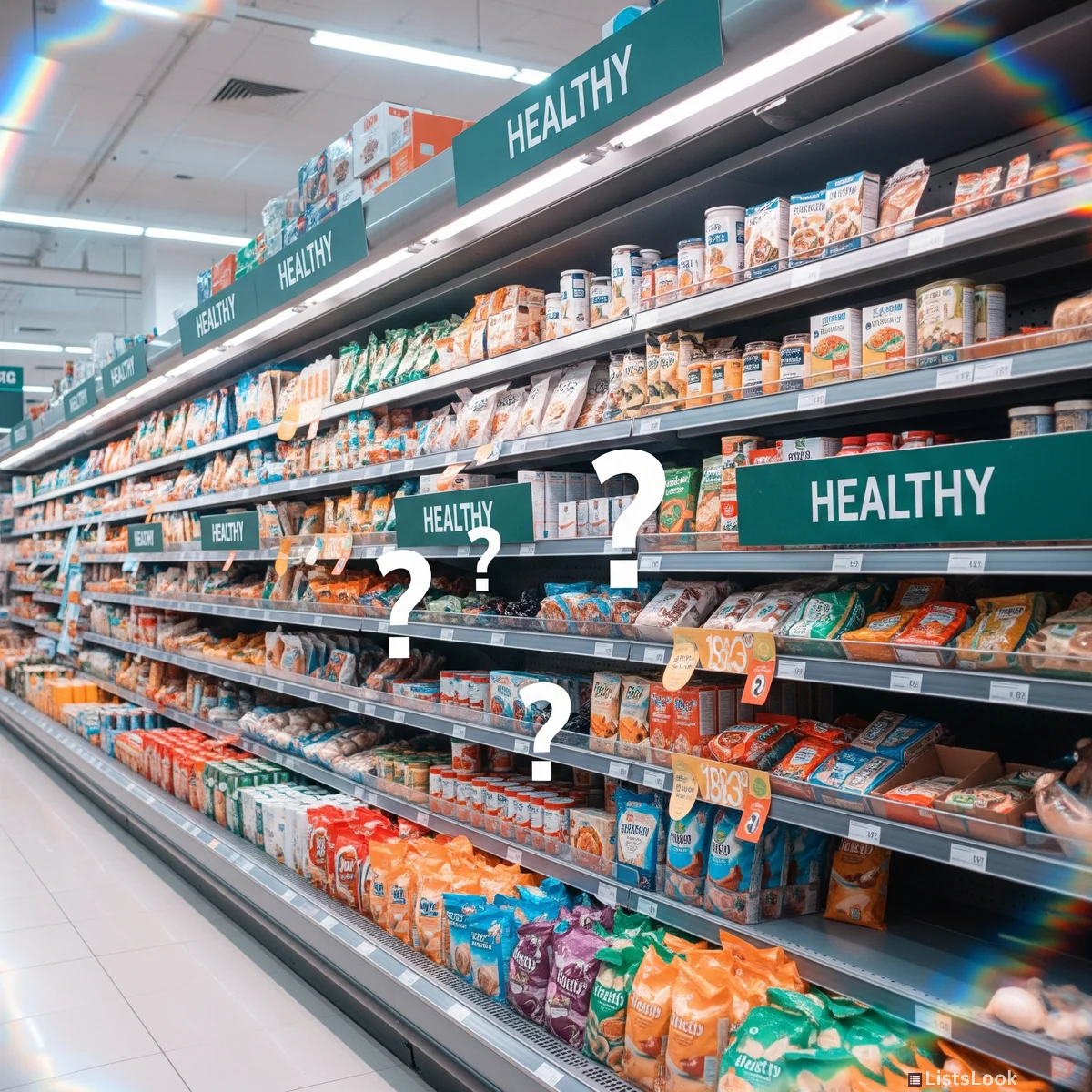
Flavored yogurt is often marketed as the ultimate healthy snack, packed with calcium and probiotics.
In reality, it can be a sweet trap containing as much sugar as a scoop of ice cream.
Unfortunately, many of our favorite supermarket health foods are actually desserts or processed junk in disguise. Here are 10 'healthy' foods that are secretly hurting your diet.
To support real wellness, pair your diet with gut-friendly recipes made from whole ingredients.
1. Flavored Yogurt

Yogurt is advertised as a source of calcium and probiotics, but flavored varieties are often sugar traps.
A single small tub of fruit-flavored yogurt can contain up to 20 grams of sugar—rivaling a dessert.
Opt for plain Greek yogurt and sweeten it yourself with fresh berries or a drizzle of raw honey.
2. Store-Bought Granola
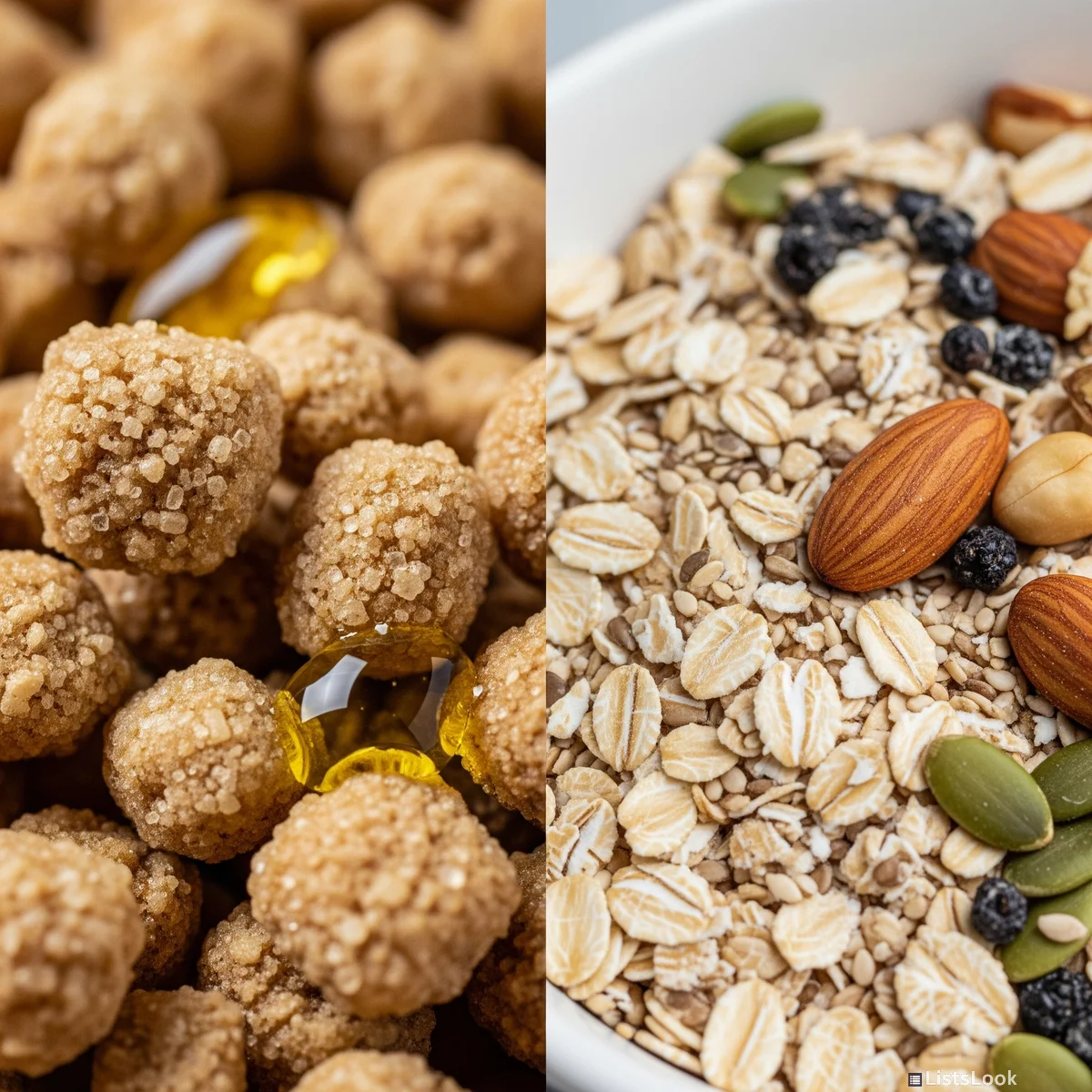
While oats and nuts are healthy, store-bought granola is often bound together with added sugar and oil.
This makes it incredibly calorie-dense, meaning a small handful can exceed the calories of a full meal.
Look for low-sugar varieties or bake your own at home using rolled oats, nuts, and coconut oil.
3. Fruit Juice
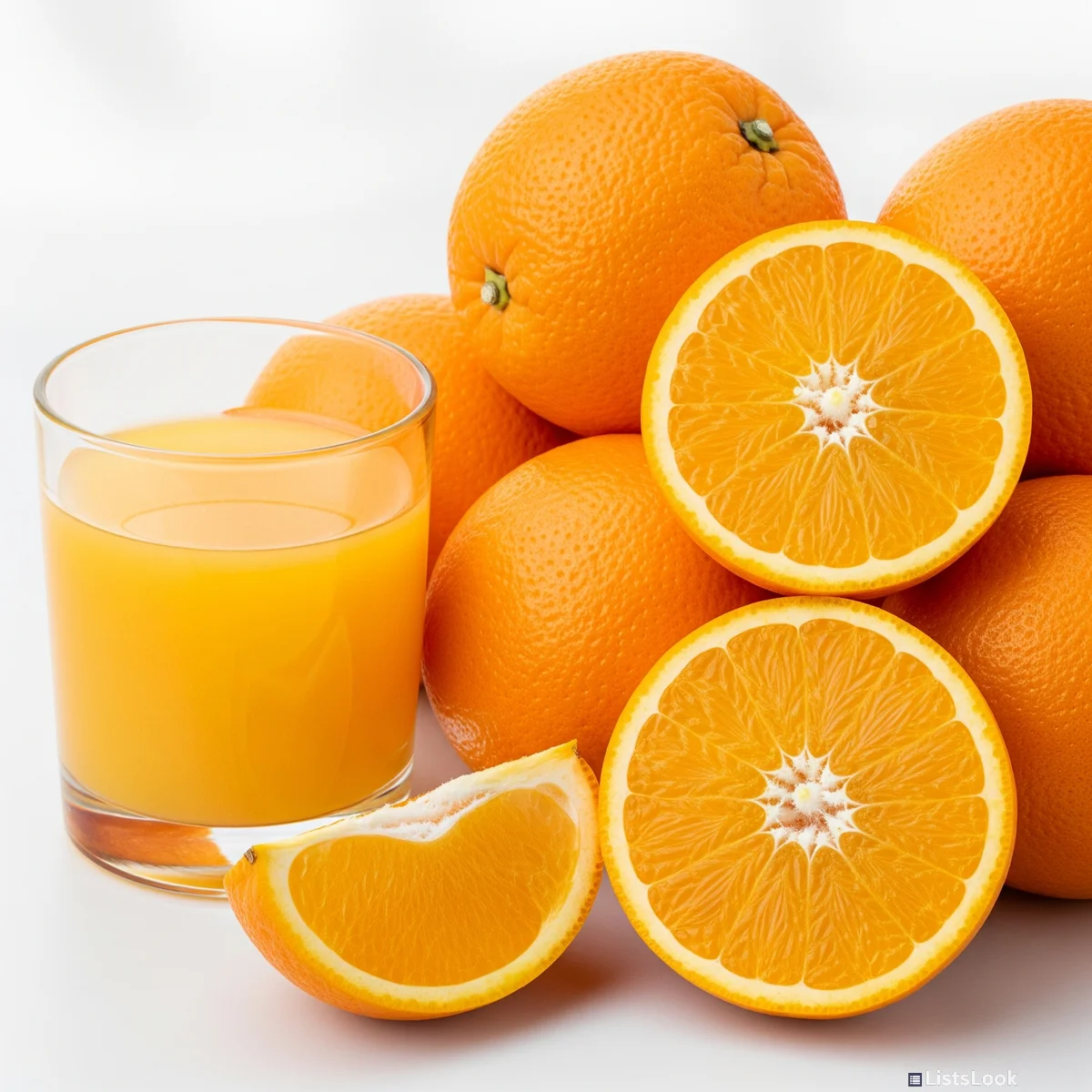
Even 100% fruit juice lacks the beneficial dietary fiber found in whole fruits.
Without fiber, the liquid sugar is absorbed instantly, causing rapid insulin and blood sugar spikes.
Eating a whole orange is much more filling and provides slow, steady energy compared to a glass of juice.
4. Agave Nectar
Agave is marketed as a healthy natural sweetener, but it contains up to 85% fructose.
High-fructose sweeteners are processed directly by the liver, which can lead to fat accumulation if consumed in excess.
Use it sparingly or replace it with stevia or monk fruit. For more details on fructose metabolism, check out the National Institutes of Health studies.
5. Gluten-Free Processed Foods
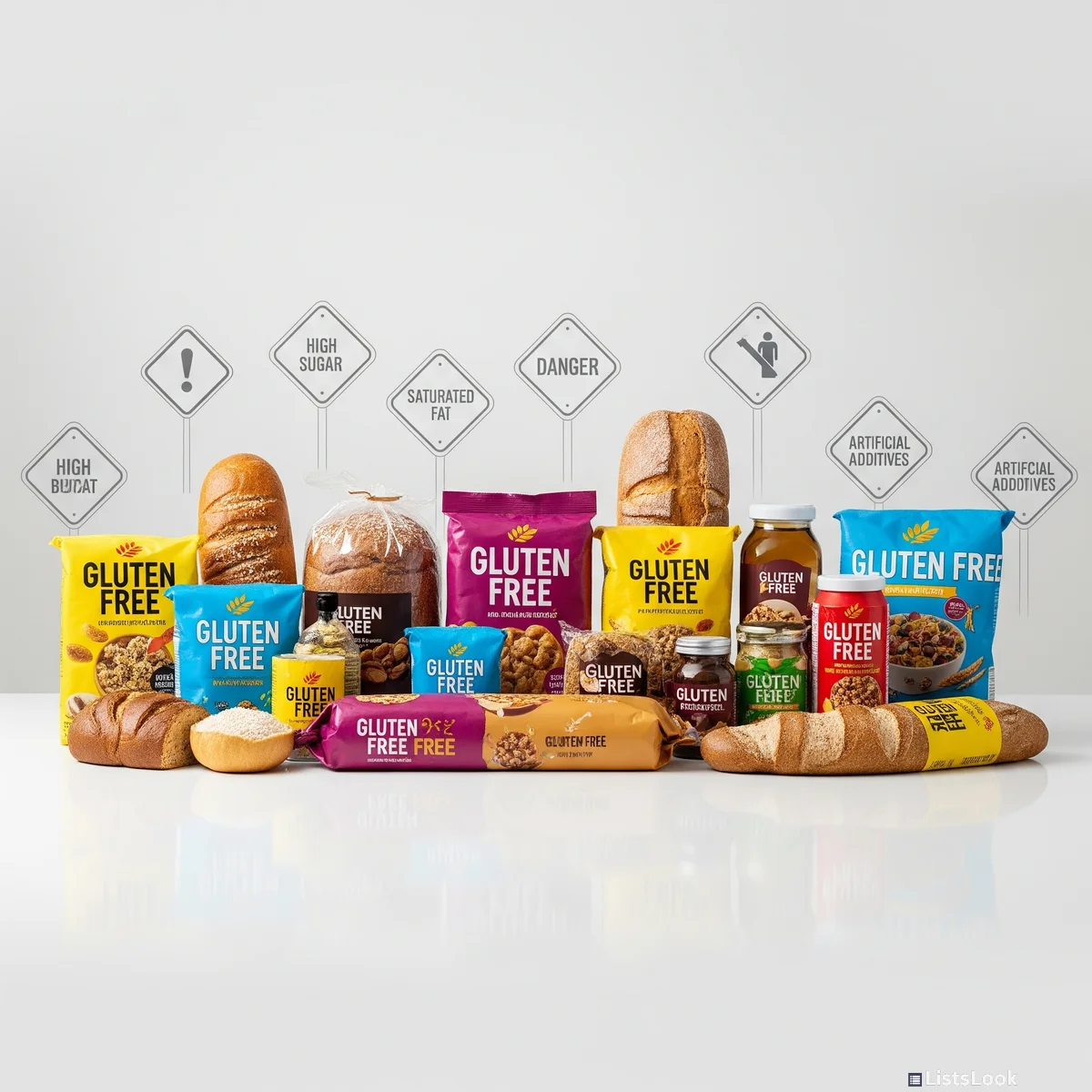
Processed gluten-free products often substitute wheat with starch, sugar, and fat to mimic regular textures.
As a result, these products are often higher in calories and lower in nutrients than their gluten-containing counterparts.
Stick to naturally gluten-free whole foods like quinoa, sweet potatoes, and fresh vegetables.
6. Store-Bought Smoothies
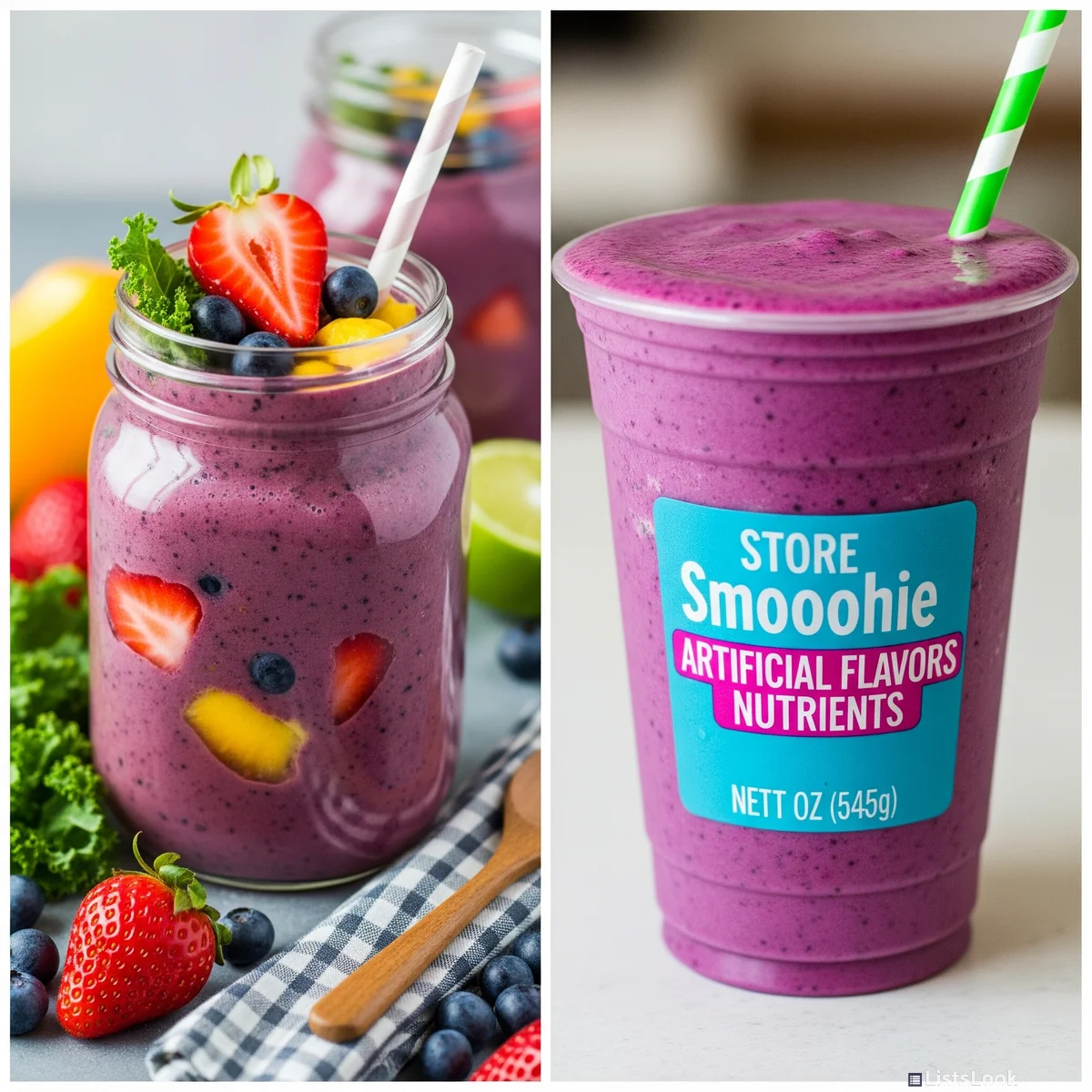
Pre-made commercial smoothies often contain fruit concentrates, sweet syrups, and sherbet bases.
A single bottle can pack over 50 grams of sugar, quickly sabotaging your health and weight goals.
Make your own smoothies at home using fresh spinach, protein powder, and unsweetened almond milk.
7. Dried Fruit
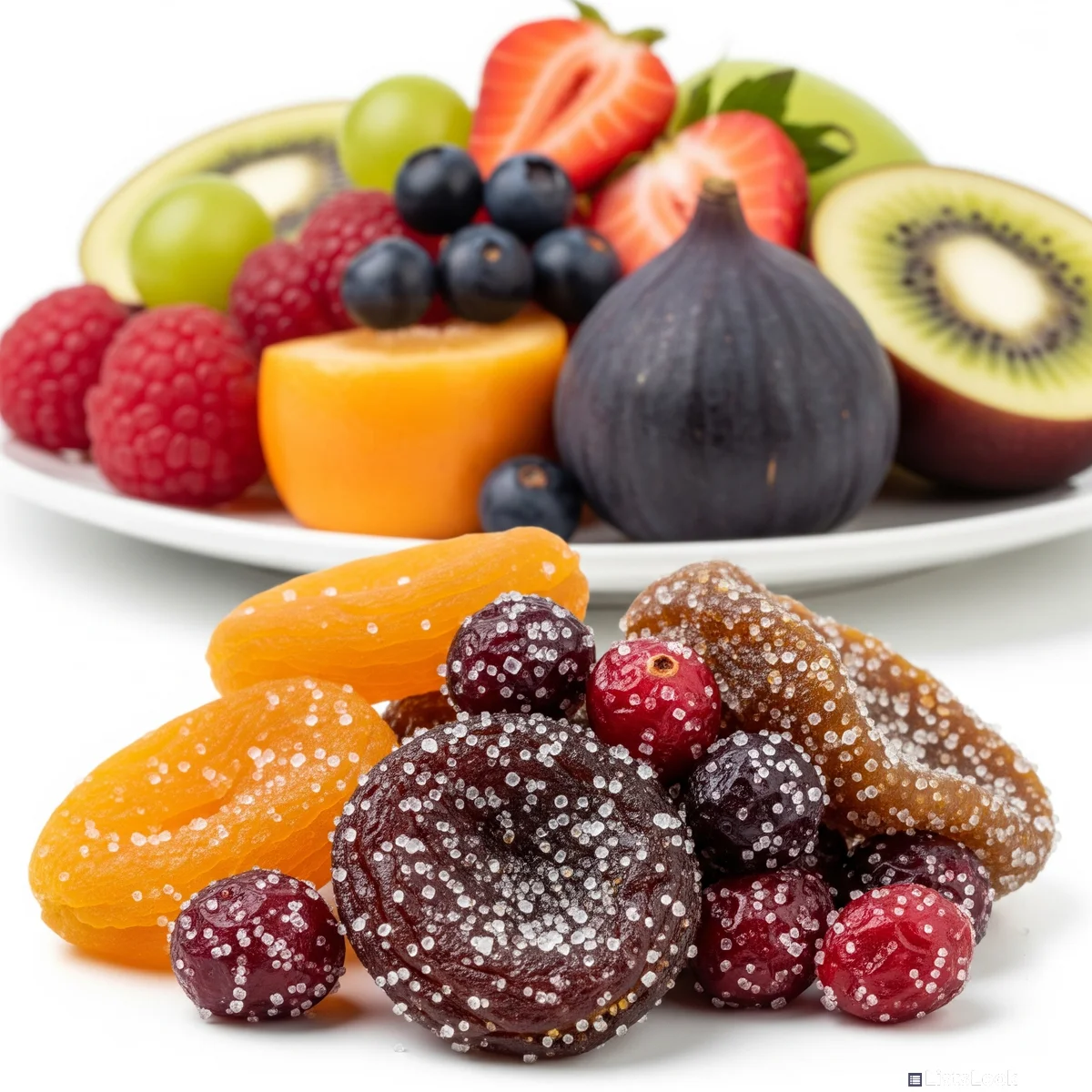
Removing water from fruit concentrates both its sugar and calories into a much smaller volume.
This makes it very easy to overeat; a handful of raisins represents way more sugar than a handful of grapes.
Always check packaging labels to ensure no extra sugar was added during the drying process.
8. Refined Vegetable Oils
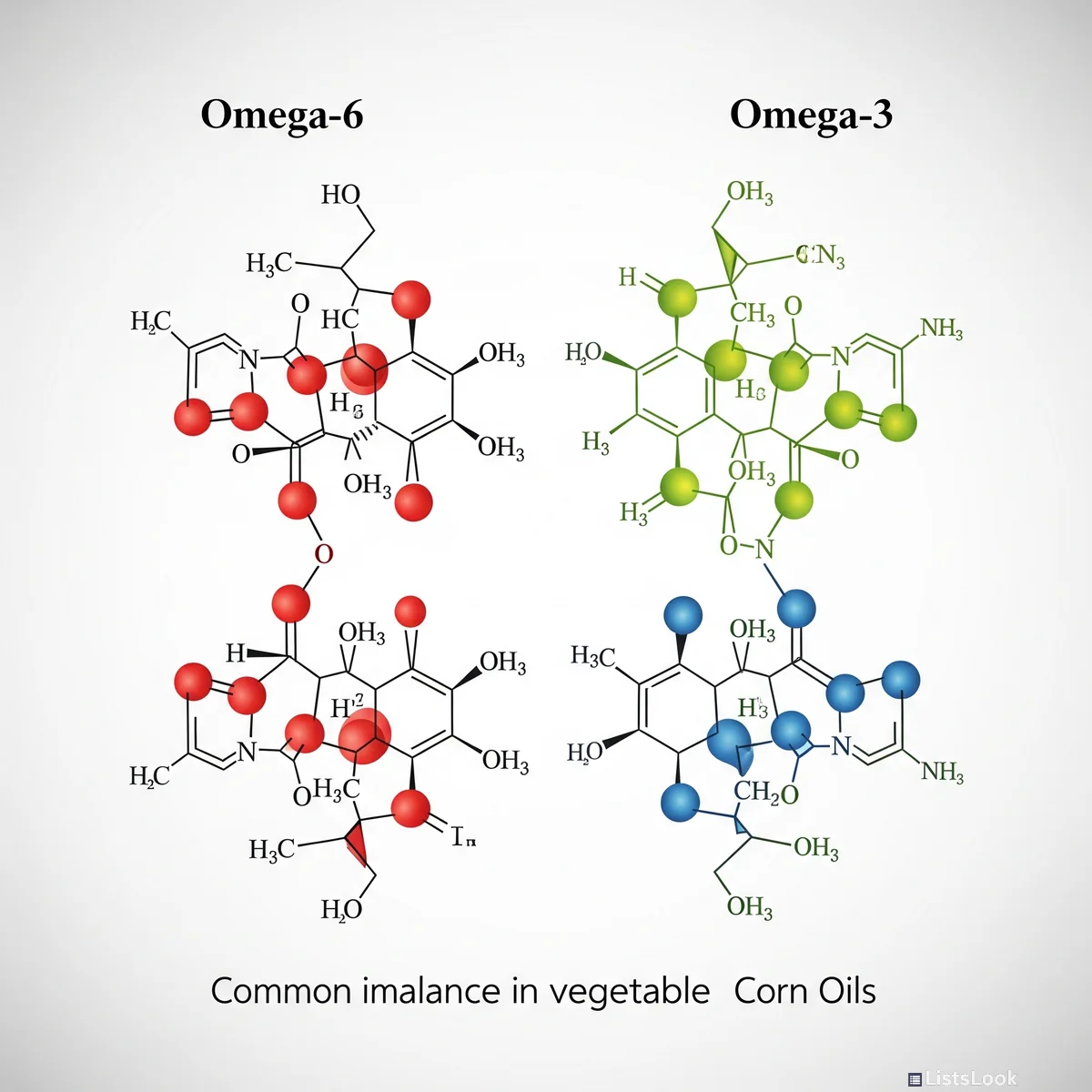
Oils like corn, soybean, and canola are highly refined and rich in Omega-6 fatty acids.
While Omega-6 is essential, an excess in our diet can promote chronic systemic inflammation.
Switch to cold-pressed extra virgin olive oil or avocado oil for cooking and salad dressings.
9. Reduced-Fat Foods

When food companies remove fat from products, they often add extra sugar and sodium to retain flavor.
This means reduced-fat options are frequently less satisfying and can lead to increased cravings later.
Choose whole-fat options in moderation, as healthy fats are vital for absorbing key vitamins.
10. Rice Cakes
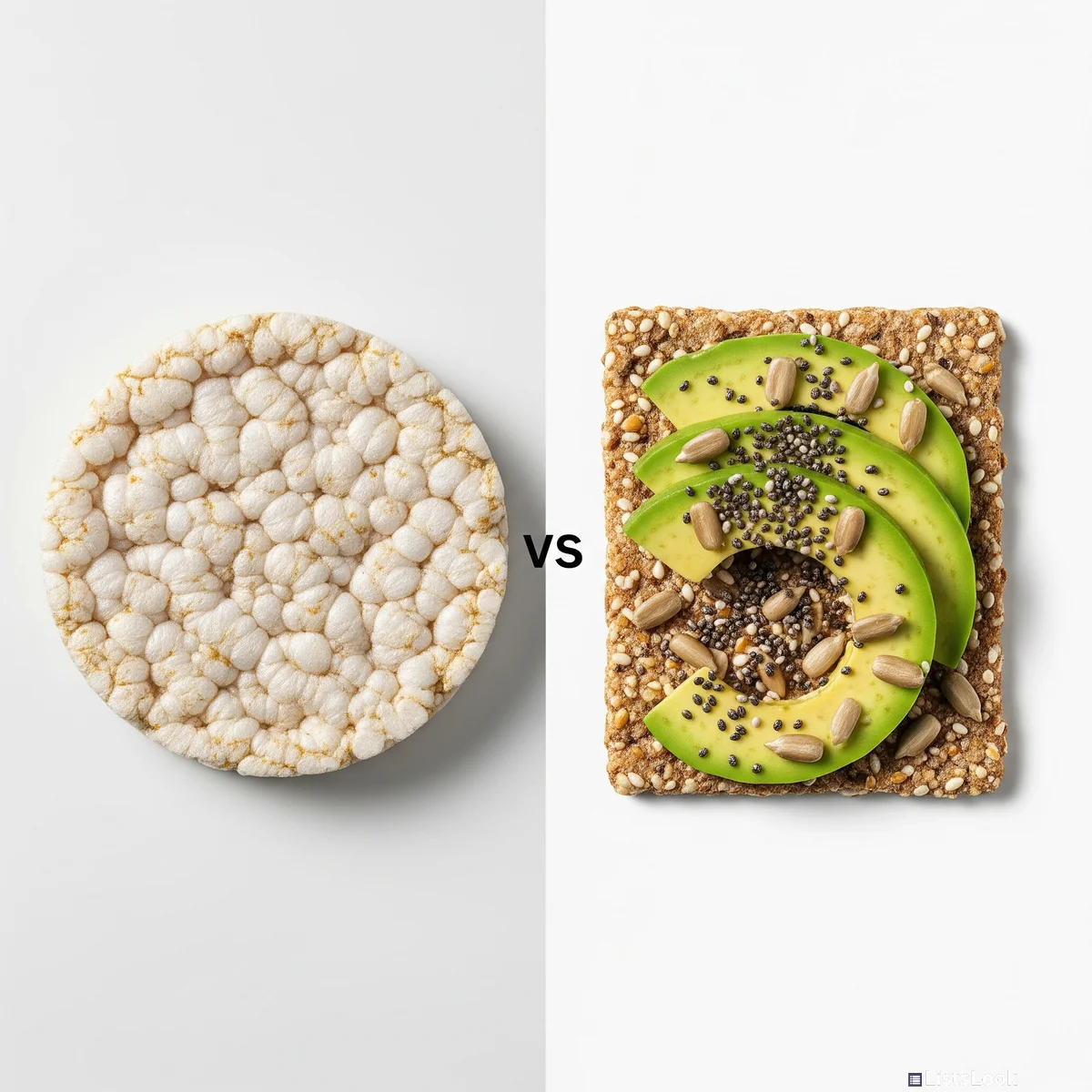
Rice cakes are popular diet snacks, but they are made of refined carbohydrates that lack fiber and protein.
They have a very high glycemic index, meaning they spike blood sugar and leave you feeling hungry shortly after.
Top them with almond butter or sliced avocado to add healthy fats and slow down digestion.